Khush Kali is a Leicester-based artist who uses collage, drawing, digital media and sculpture to explore the everyday experience of the urban environment, influenced in particular by the history and context of Leicester, migration and cultural identity. She has exhibited in the UK, USA and India. Her work is held in the public collection of the City of Leicester Museums Trust and in private collections in Canada, India, Malaysia, the Netherlands and New Zealand. She has a BA and MA in Fine Art from De Montfort University, Leicester. She is passionate about inclusive and accessible art-making for all and regularly works with children, young people and community groups of all ages from all over Leicester.
Describe your practice for us
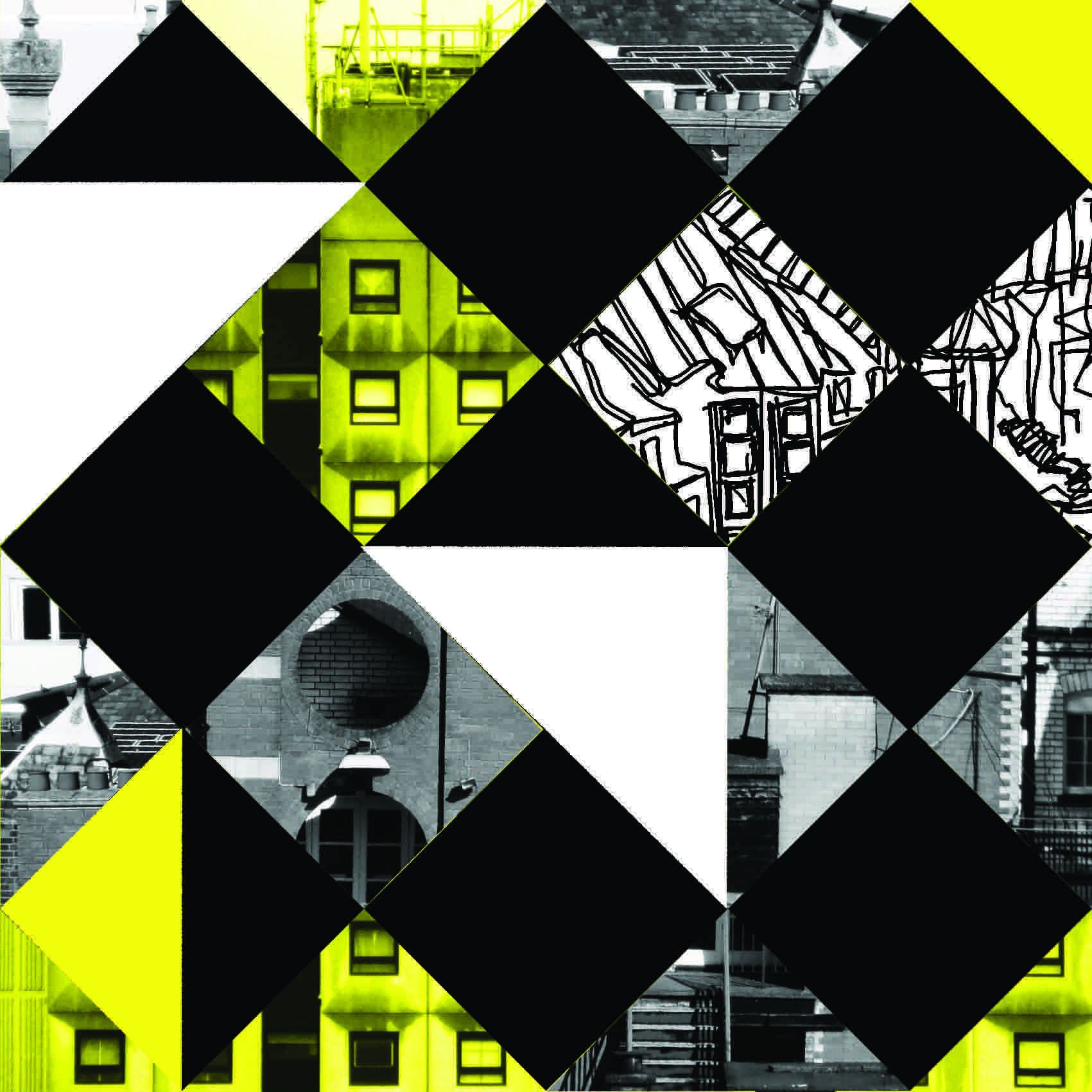
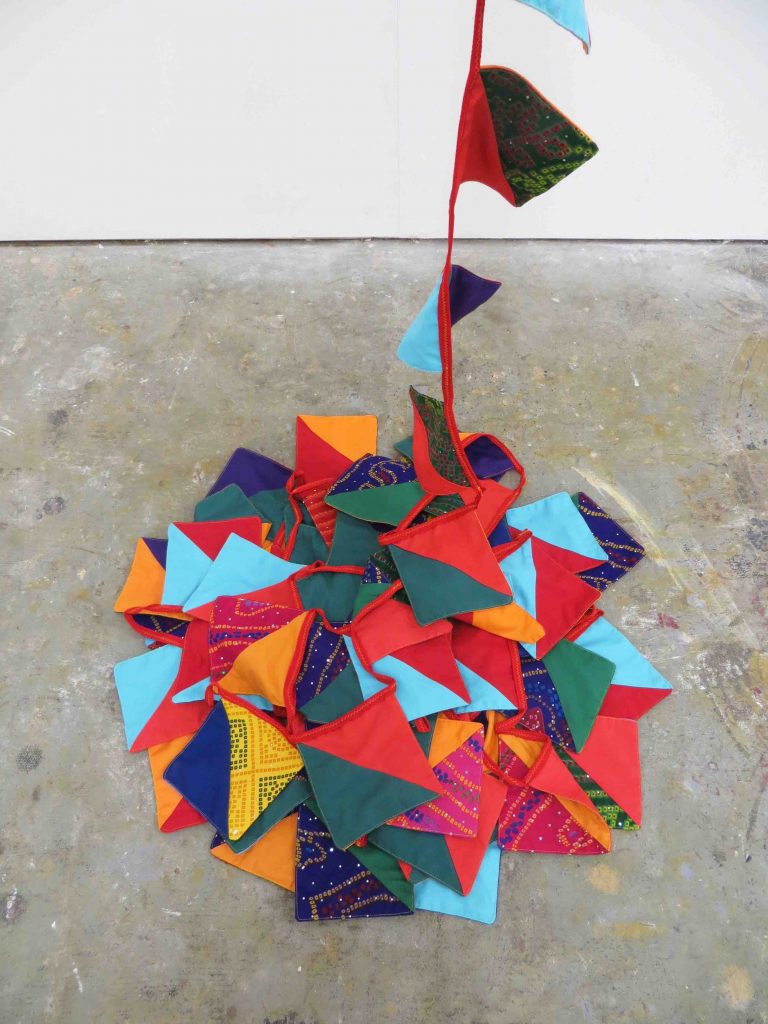
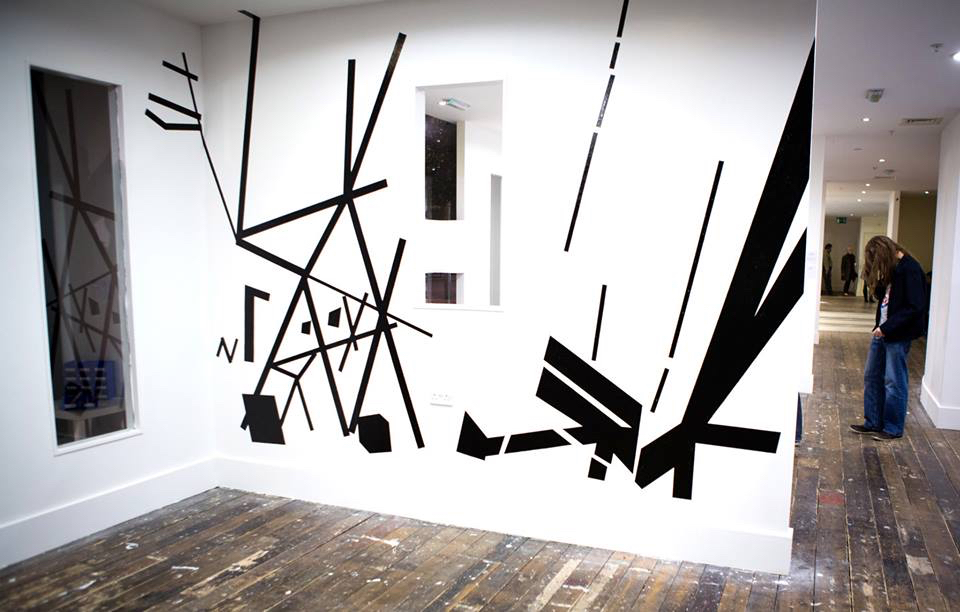
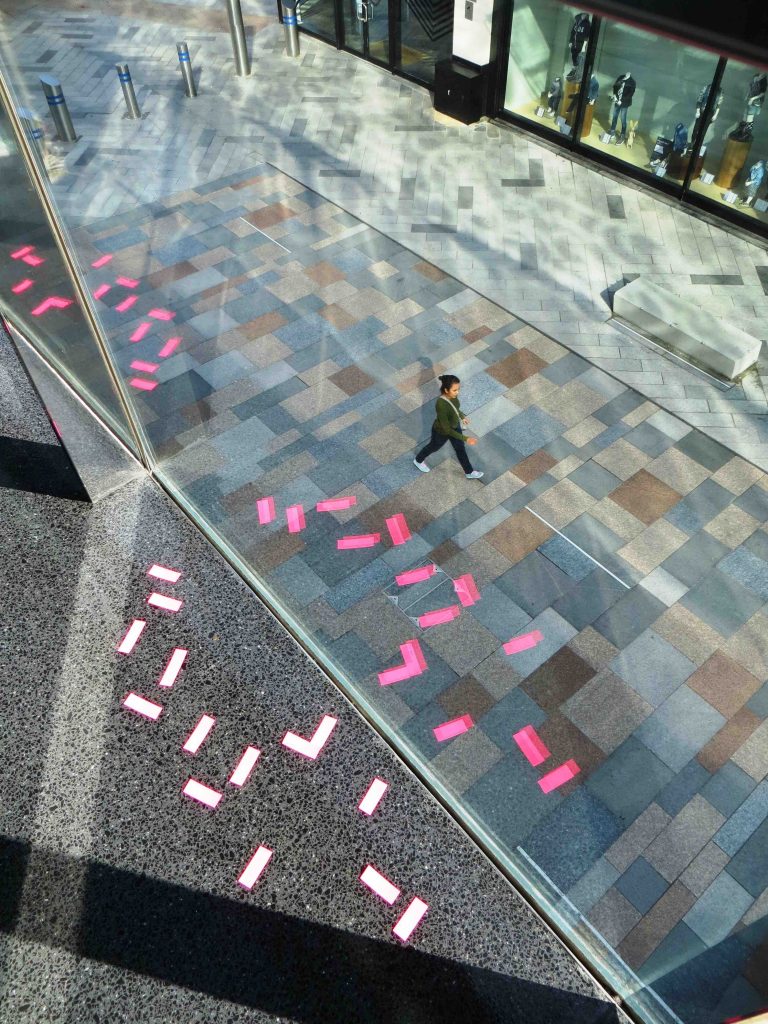
I've always worked in different mediums – from drawing and painting to digital images, from textiles to sculpture and installation – but it's all essentially collage. Cutting things up, mixing them up, bringing them together in different configurations is how I've always instinctively worked. It's also always been about the city and how different histories and cultures mix and overlap in the urban environment. Around 2013 I made a lot of work taking architectural details from one part of the city – taking digital photos and then isolating shapes and patterns using Photoshop – and dropping them in another location by means of collages and murals. It was sampling, cutting and pasting, remixing basically. More recently I've focused on what it means to be second-generation, having an Indian and Ugandan Asian heritage but born and bred here in Leicester.
My practice is really made up of these two halves: my own work, which I sell and exhibit, and the workshops and sessions I teach and facilitate. Lately I've been thinking a lot about how I could bring these two halves together into a whole.
How long have you been practising and how did you come to it?
I was 26 when I did my Foundation and started studying art, 10 years ago. Before that I'd worked mainly in fashion retail as a visual merchandiser. I loved it but I got to a point where I felt I needed to throw myself into being creative without the commercial agenda. So I did my Foundation and then my undergraduate and Masters degrees (both in Fine Art), all at De Montfort University, one after the other. Just as I was finishing my MA, in 2012, I was invited to work on an exhibition commissioned by Leicester City Council to mark the 40th anniversary of the arrival of Ugandan Asians in Leicester. This project completely changed my approach to making art.
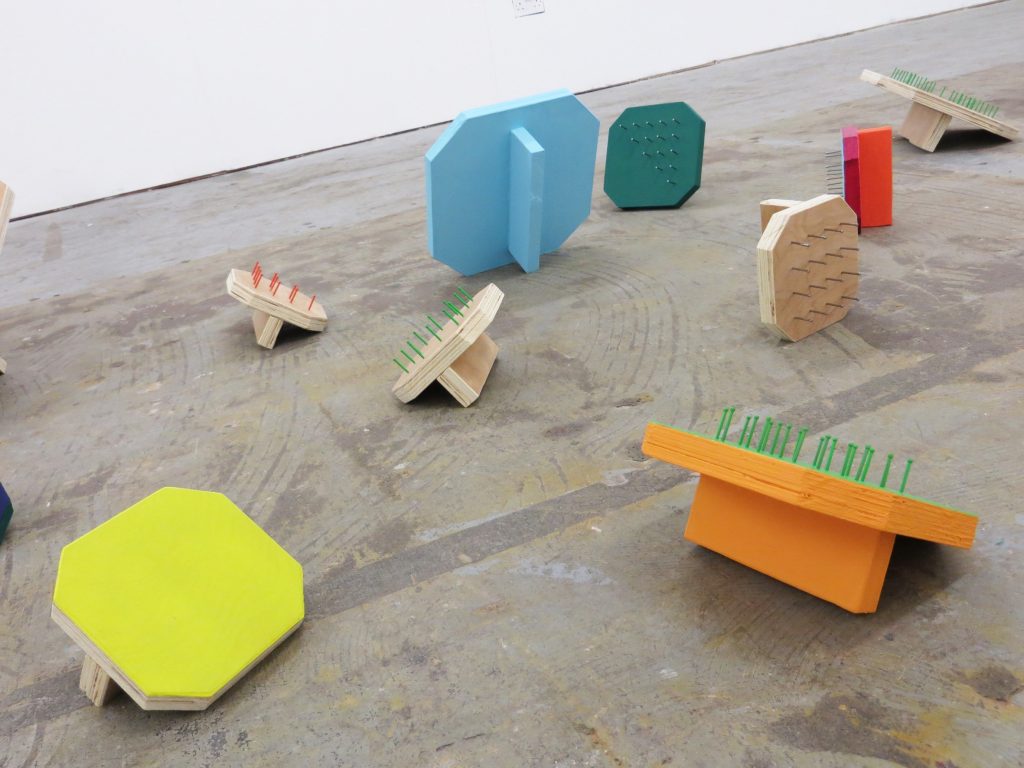
Your work spans collage, drawing, digital media and sculpture. What does the range give you that one medium couldn't?
I tend to work quite frenetically. When I'm playing around with an idea or a narrative, I need to see it in some form really quickly. I just go straight to whichever medium gives the most immediate or closest form to the idea, in the quickest time. Working with a range of mediums, I can quickly flip it and approach it from another angle.
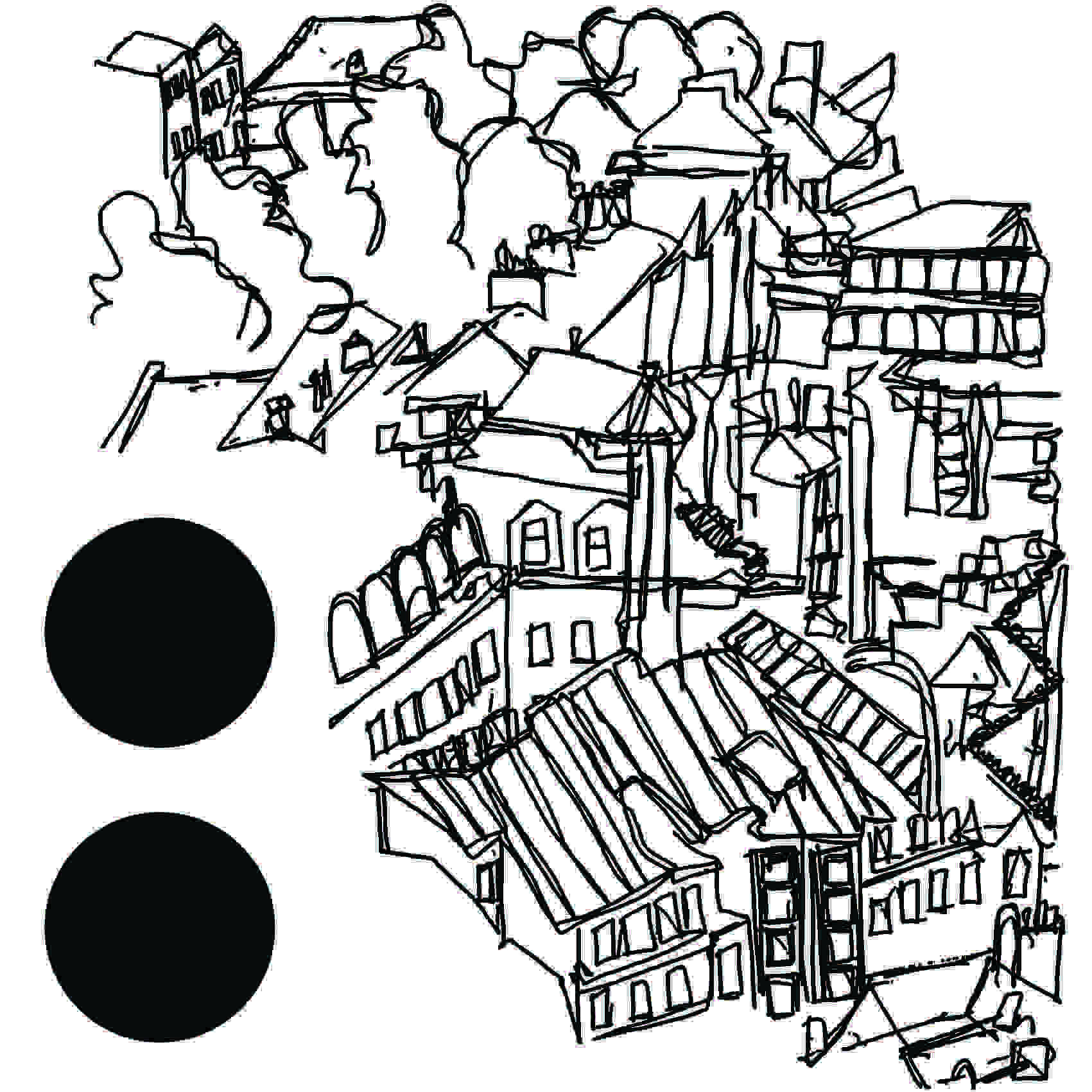
As someone who takes inspiration from the urban environment, how do you feel that your work changes with urban demographic, political, social and cultural shifts?
I've been thinking about this a lot lately. I was born in Leicester and I've lived here my whole life: Leicester has shaped me as an artist. The work I was making a few years ago, From the 12th Floor and Urbà for example, documented my visual analysis of the city around me. Then I went to India and the work I made in response was really a way for me to process that experience.
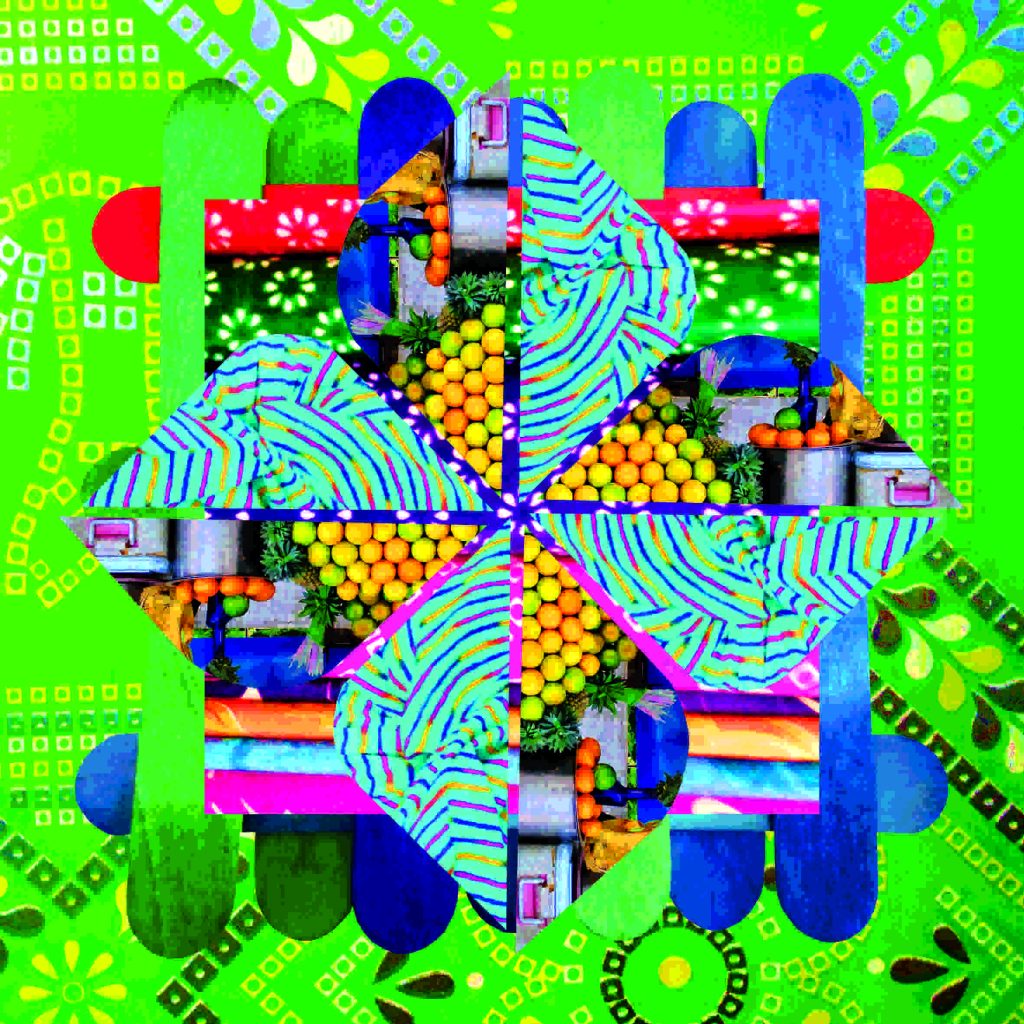
How important is your own cultural identity and heritage to your practice?
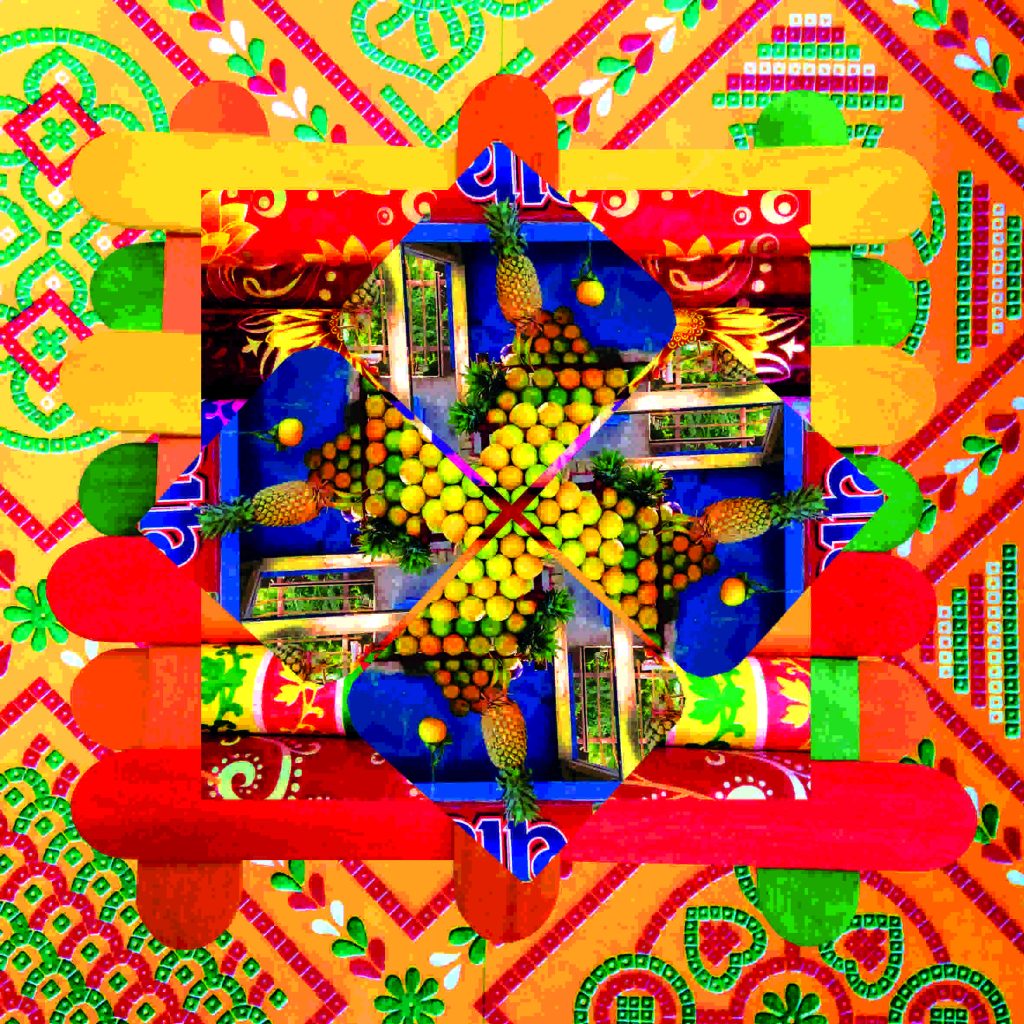
I'm still working that one out. I hadn't explored it at all until I was selected for an artist residency at MSU Baroda in Vadodara, India, in 2014. I found the month-long residency a really intense experience. Some of the work I made in response to that residency, a series of digital collages titled Before There After, was recently bought by The City of Leicester Museums Trust for its public collection which I'm massively thrilled about.
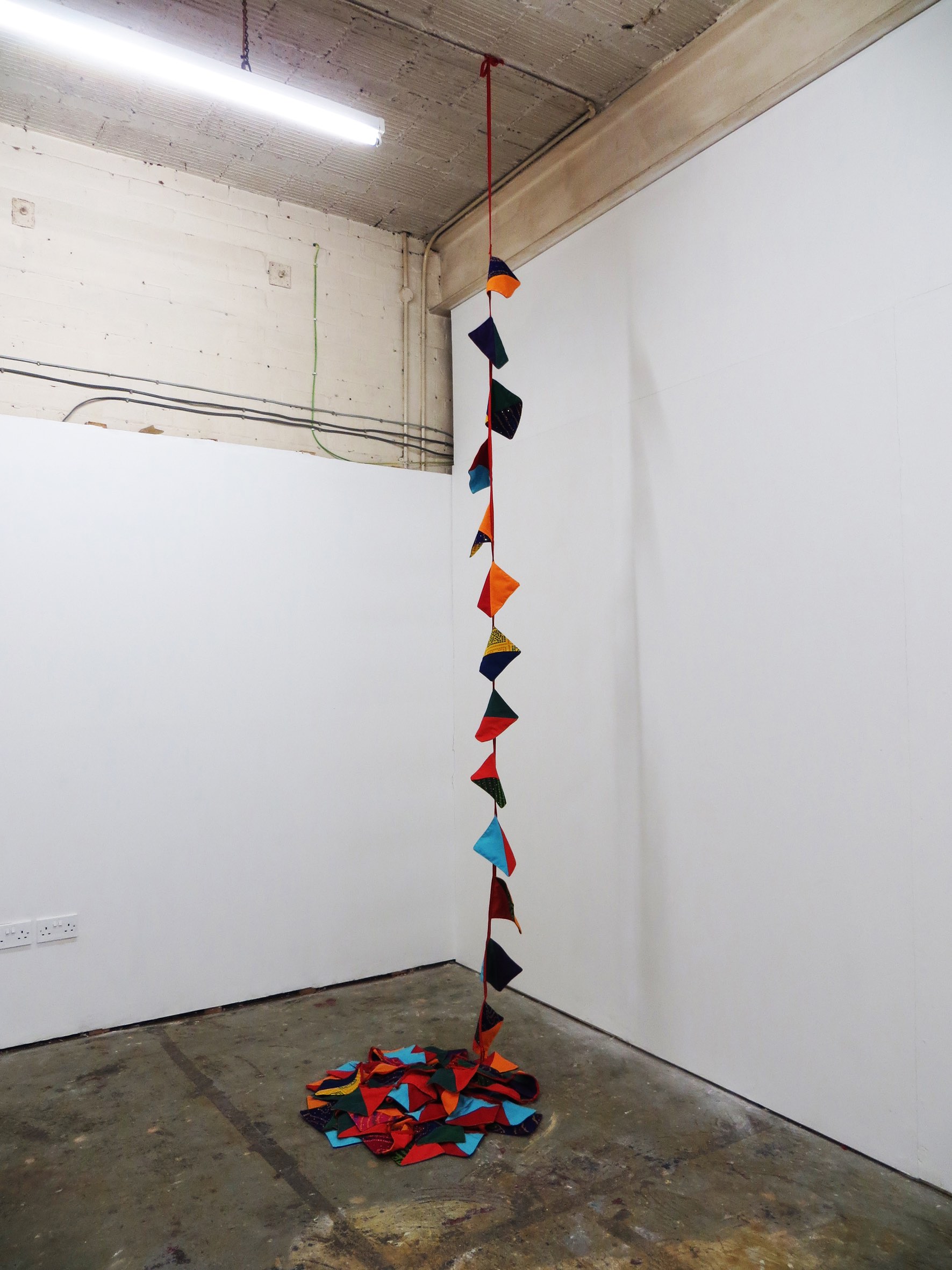
What is the most interesting or inspiring thing you have seen or been to recently, and why?
I'm reading Art Power by Boris Groys at the moment, which is turning a lot of what I thought I knew or wanted to do inside out and upside down. It's quite challenging but deliciously challenging and very provocative and it's exactly what I need right now.
Which other artists' work do you admire, and why?
Francis Alÿs and Jeremy Deller for the way they bring together the people, politics and history of a specific time and place; similarly how Yinka Shonibare pulls together questions and notions around cultural and national identity, race and class; also Stephanie Syjuco, Steve McQueen and susan pui san lok. More locally, I really enjoy Daniel Sean Kelly and Sam Francis Read's work.
Where can people see your work?
My website, Tumblr and Instagram for the time being but I hope to show new work IRL later this year. People can also follow me on Twitter.
Khush was interviewed in August 2017.
Images courtesy of and by the artist apart from where stated.