
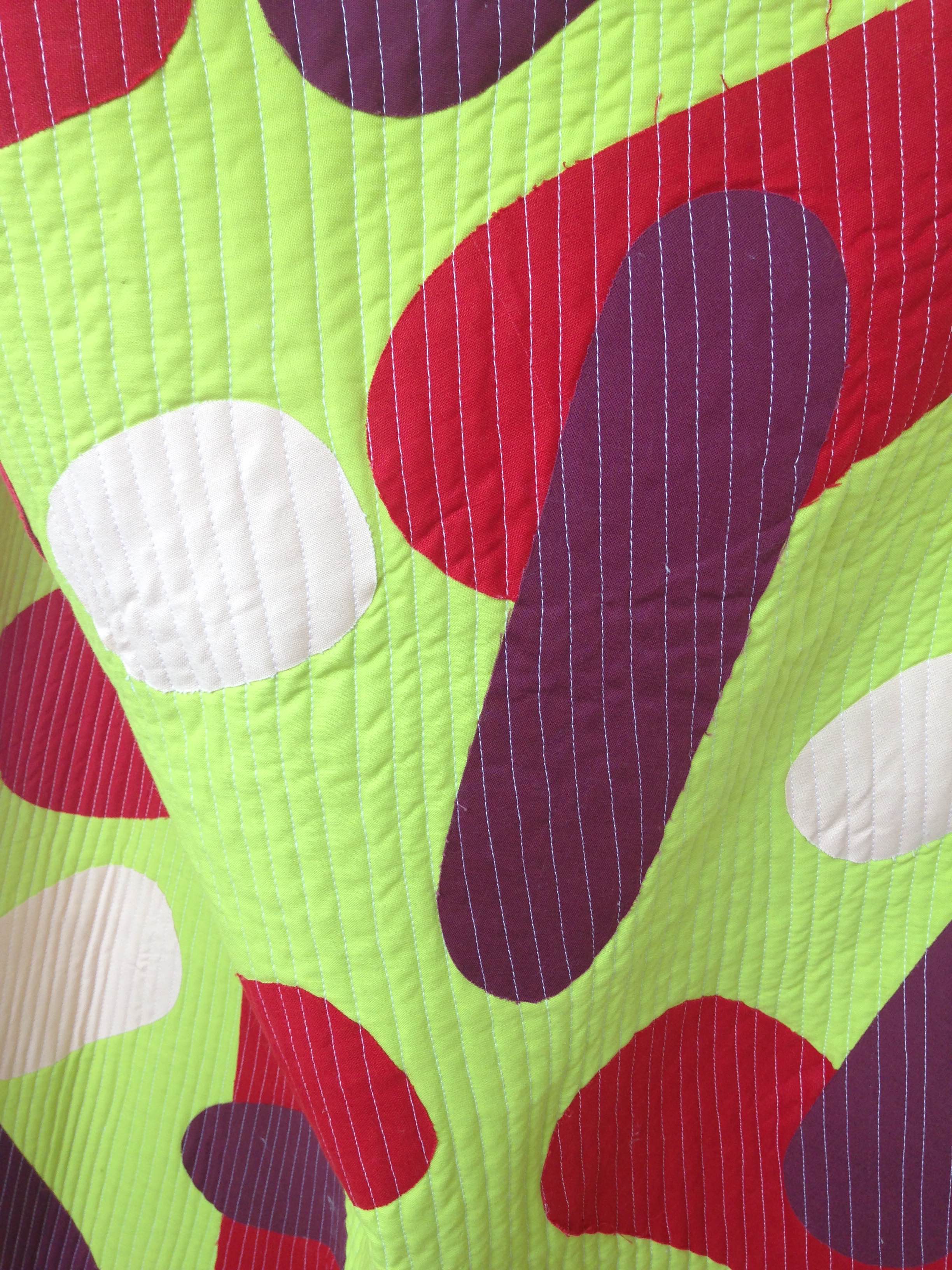
Laura McCafferty graduated in 2003 with BA (Hons) in Decorative Arts from Nottingham Trent University and has recently completed an MFA in Fine Art at Goldsmiths College, London (2012-2016). She works within the context of the everyday and the mundane, obsessively gathering images of incidental peculiarities from the ordinary, art history, contemporary art and popular culture. Recent selected group exhibitions include In Miniature, Small Collections, Nottingham Contemporary (2015), In the Making, Nottingham Trent University (2014), Art & Television, Triennale di Milano (2014), Pile, Surface Gallery, Nottingham (2010) and Chapter, Cardiff (2011). Laura has work in public and private collections.
Laura lives in Nottingham and is a Visiting Lecturer at Nottingham Trent University.
Describe your practice for us:
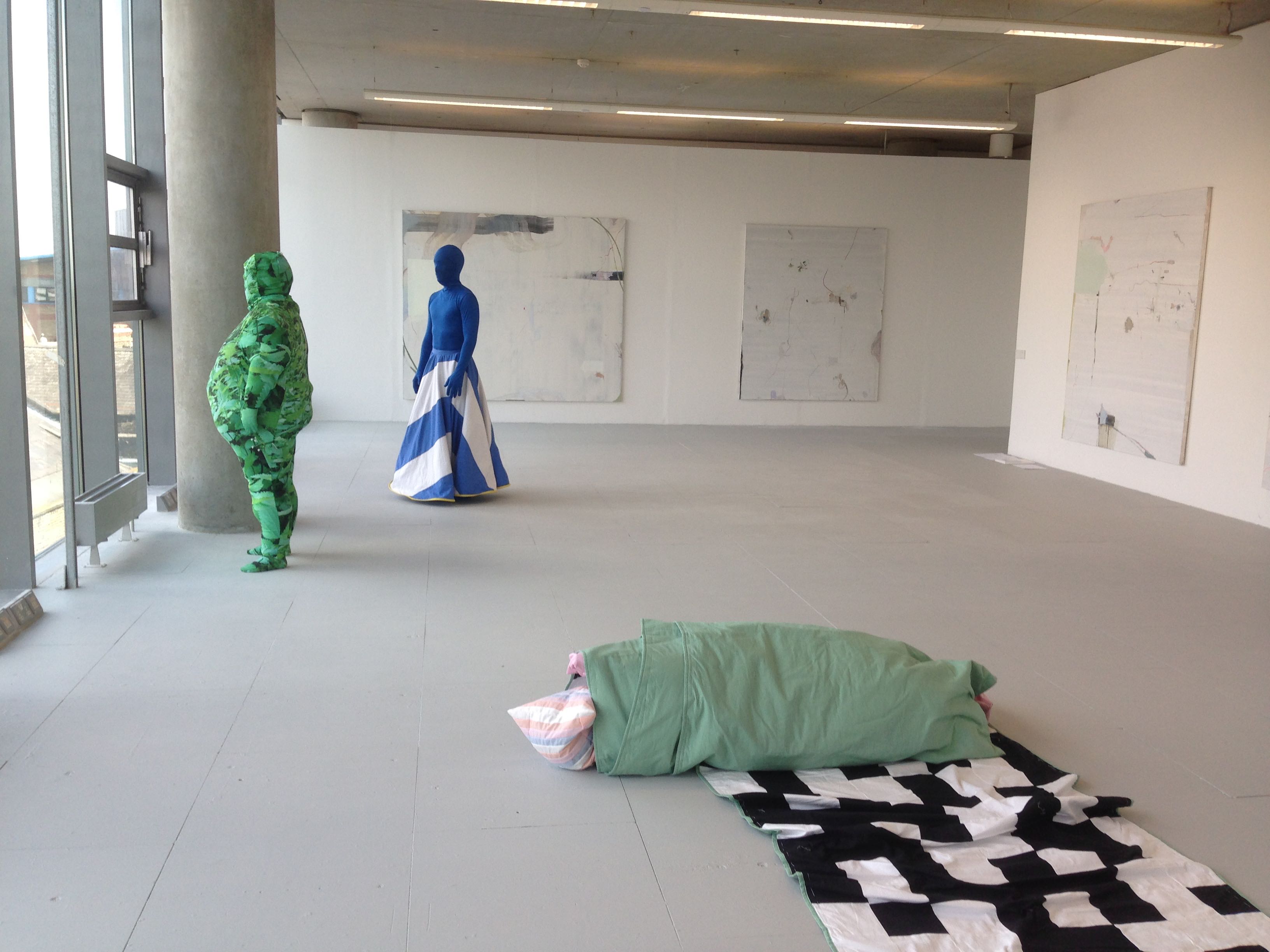
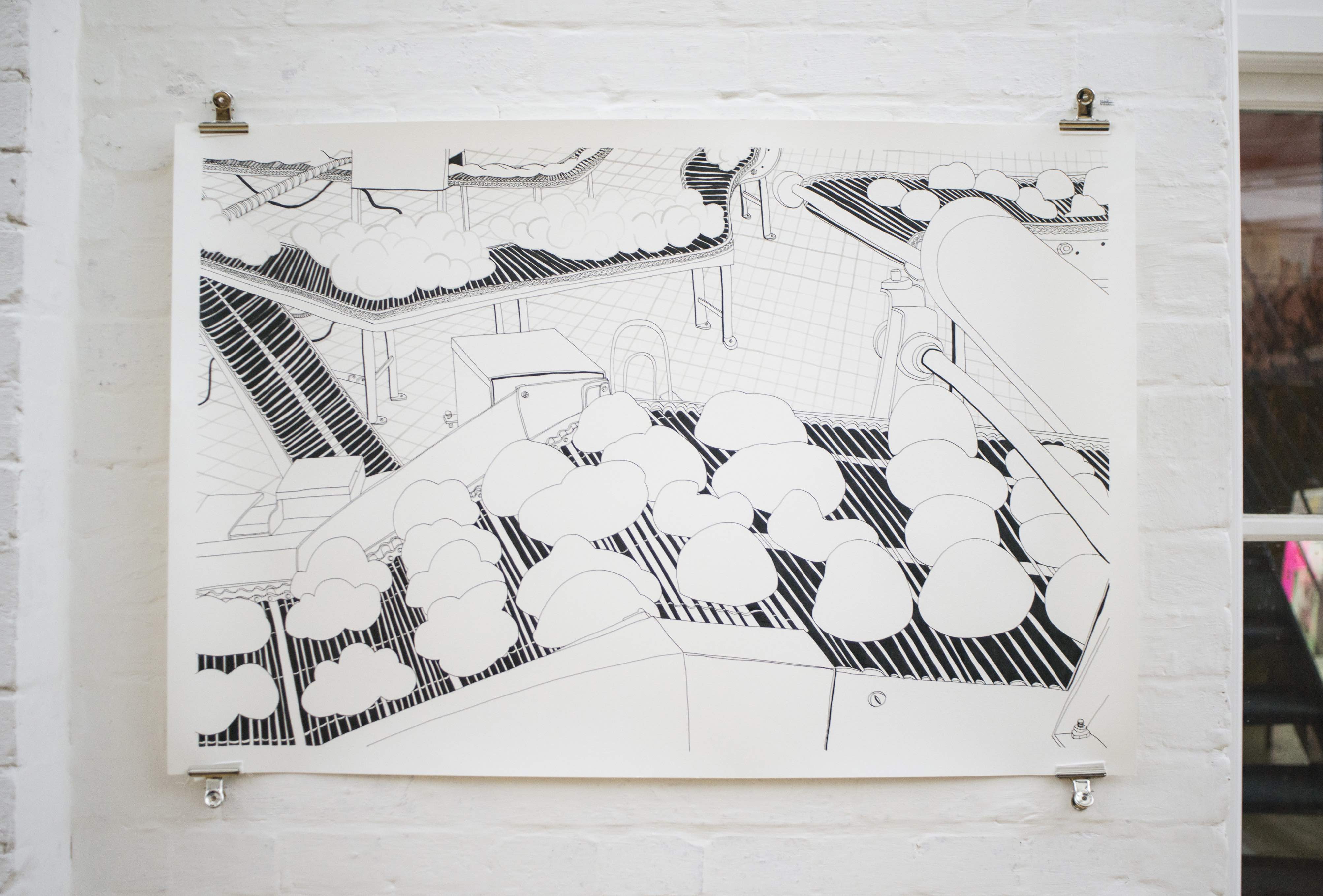
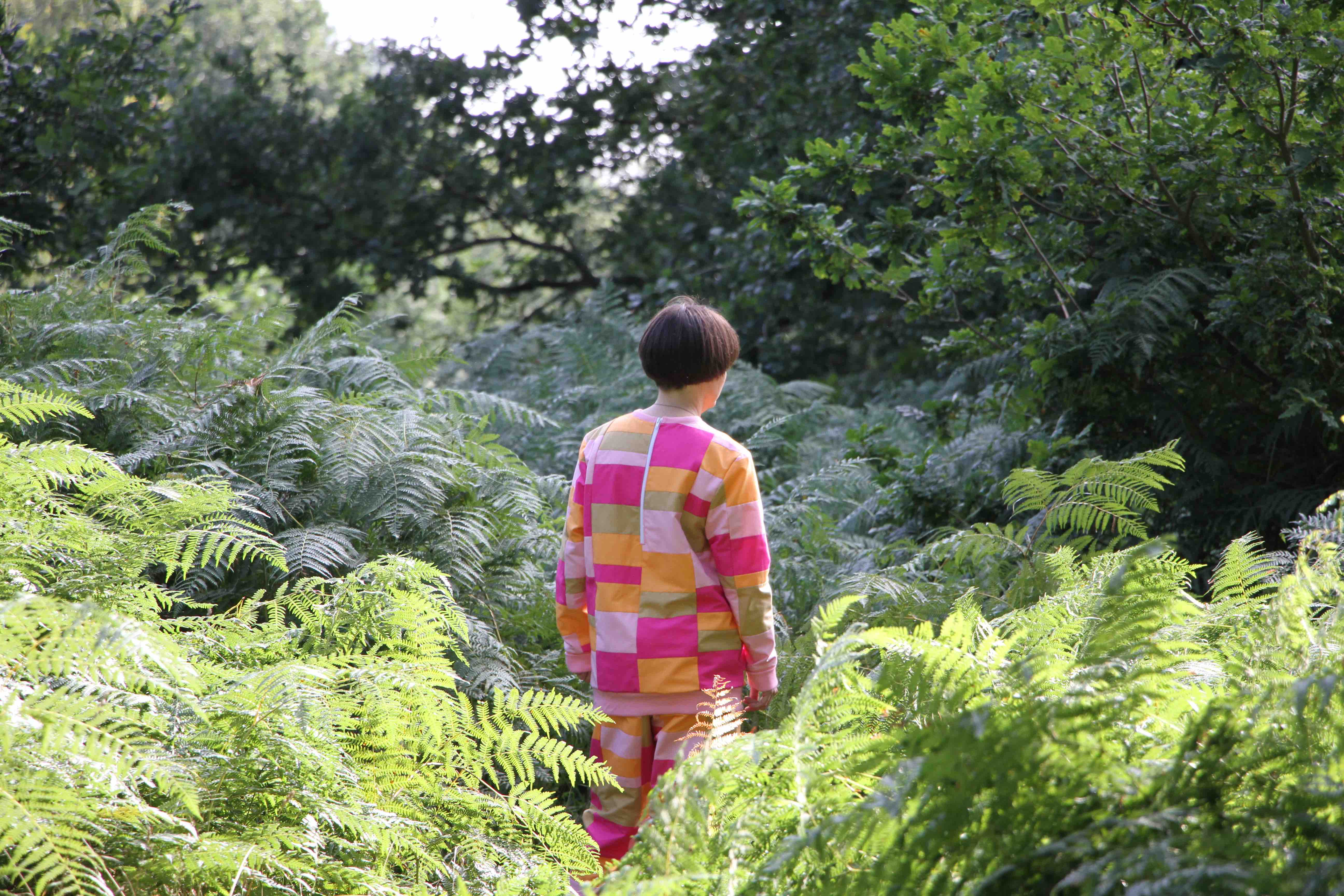
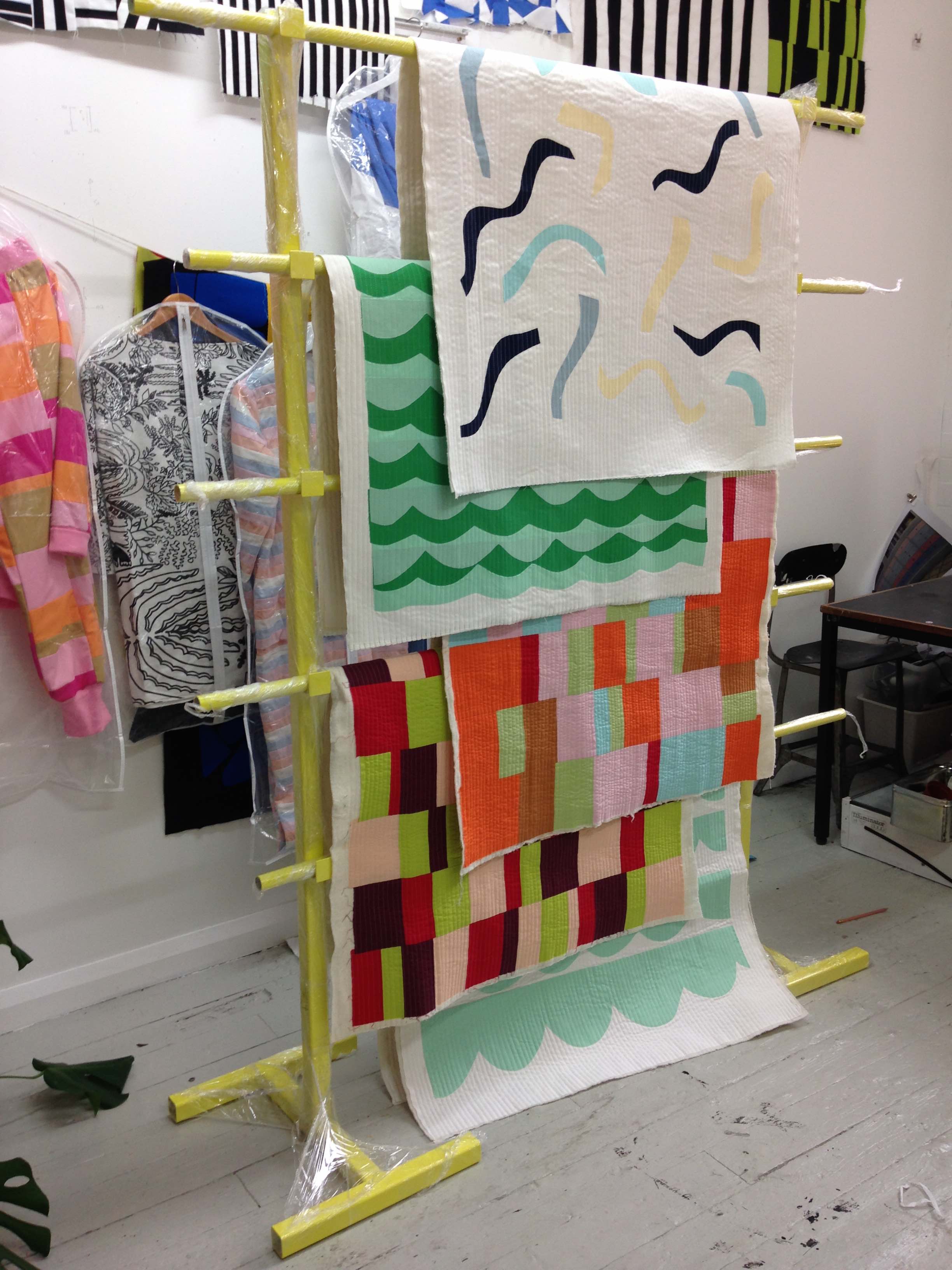
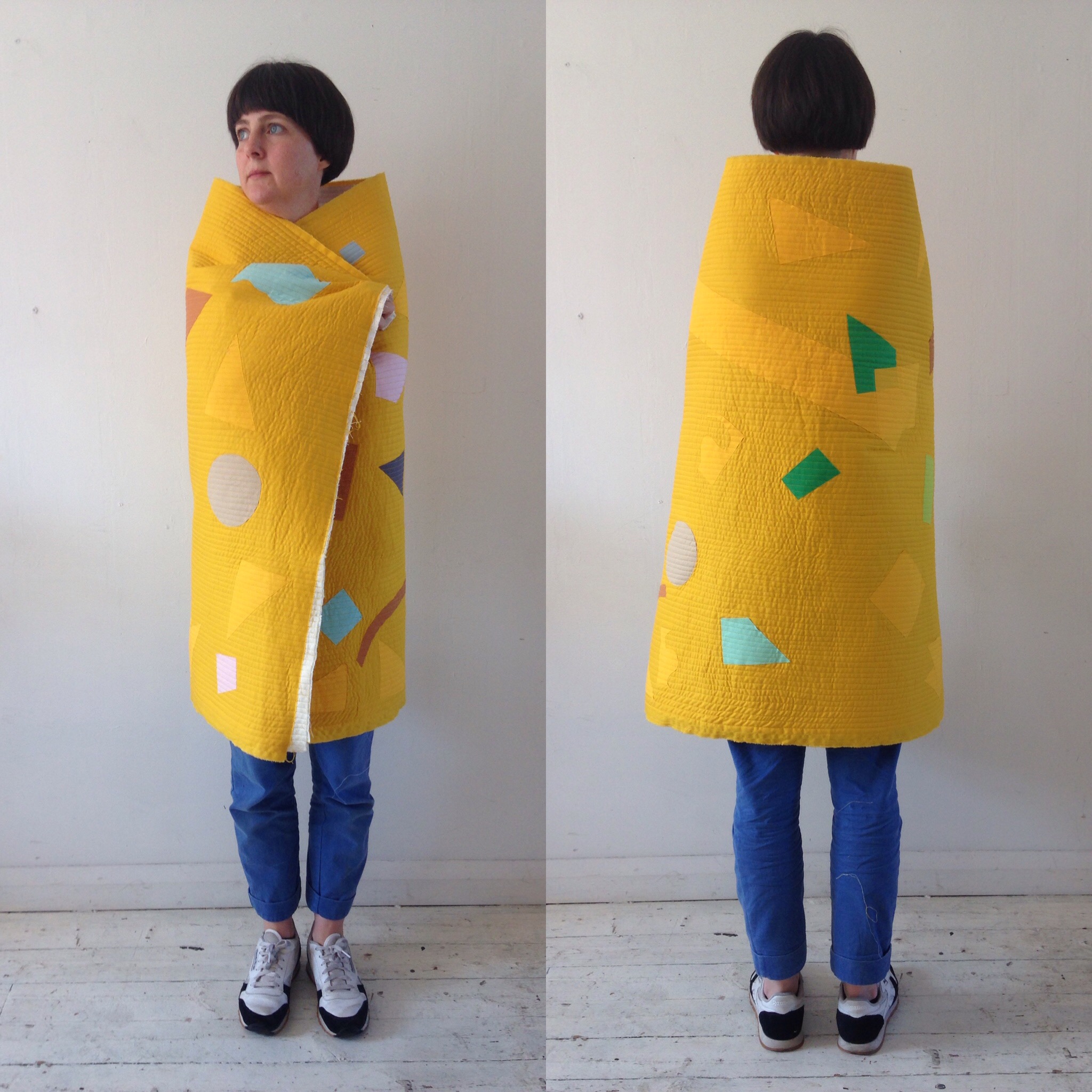
It is an interdisciplinary practice, in which I use photography, drawing, text, textile, costume and performance to test out a broad range of ideas including repetition, excess and permutation.
How long have you been practising and how did you come to it?
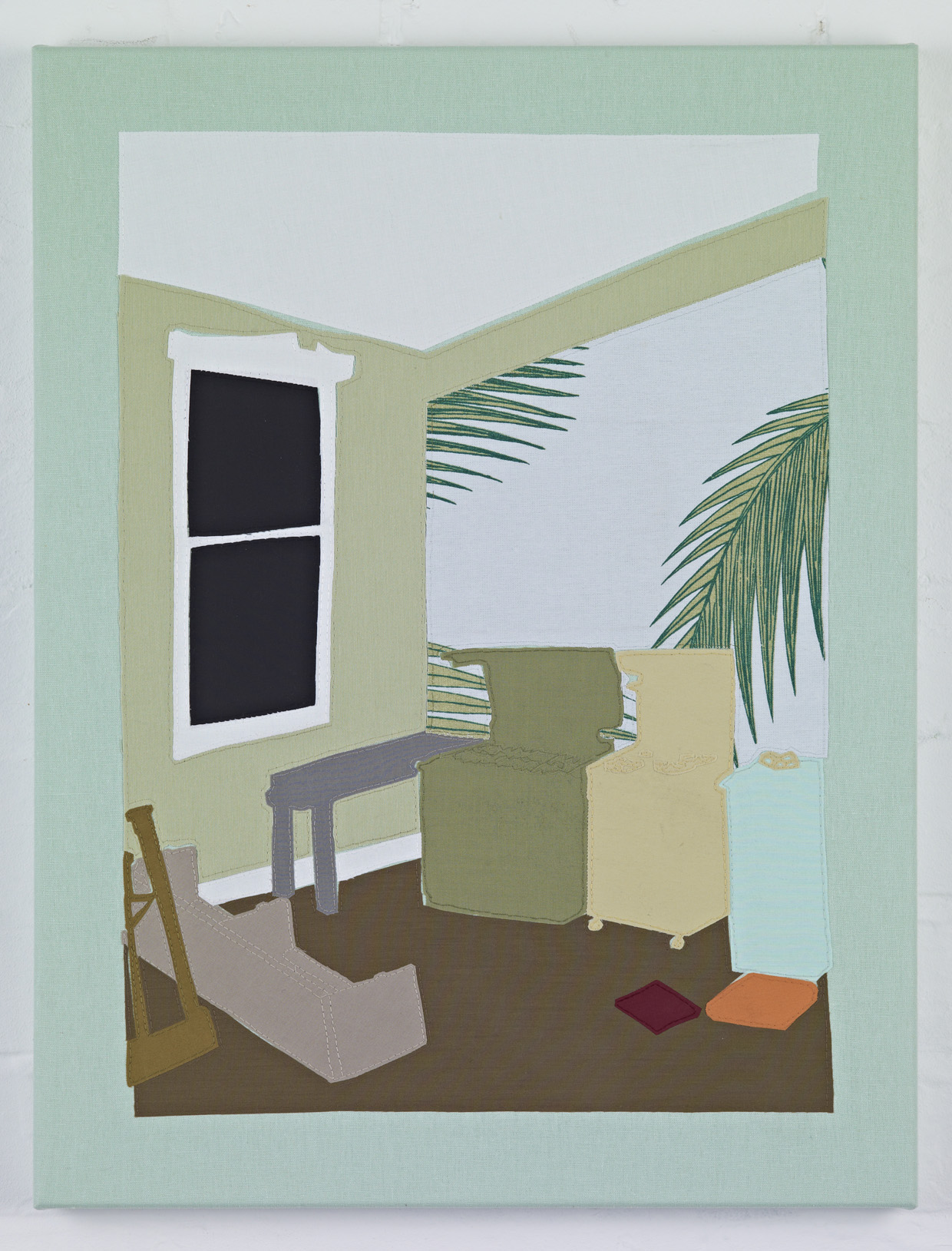
14 years. Officially starting in 2003, when I graduated from Decorative Arts at Nottingham Trent University. After graduating, I knew there wasn't a job for me, so would have to make it up. I chose to stay in Nottingham and set up a studio where I made 2D textile artworks. I exhibited these internationally and many are now in both public and private collections. Things have changed a bit in the last few years.
Which comes first for you, the materials you use or the image or scene you create?
There are many stages and layers and anything can set the ball rolling for a new body of work. I usually spend a year working through an idea. There are different phases that happen, I don't plan them, I let them unfold and work quite instinctively to know when one part is finished and it is time to move to the next phase.
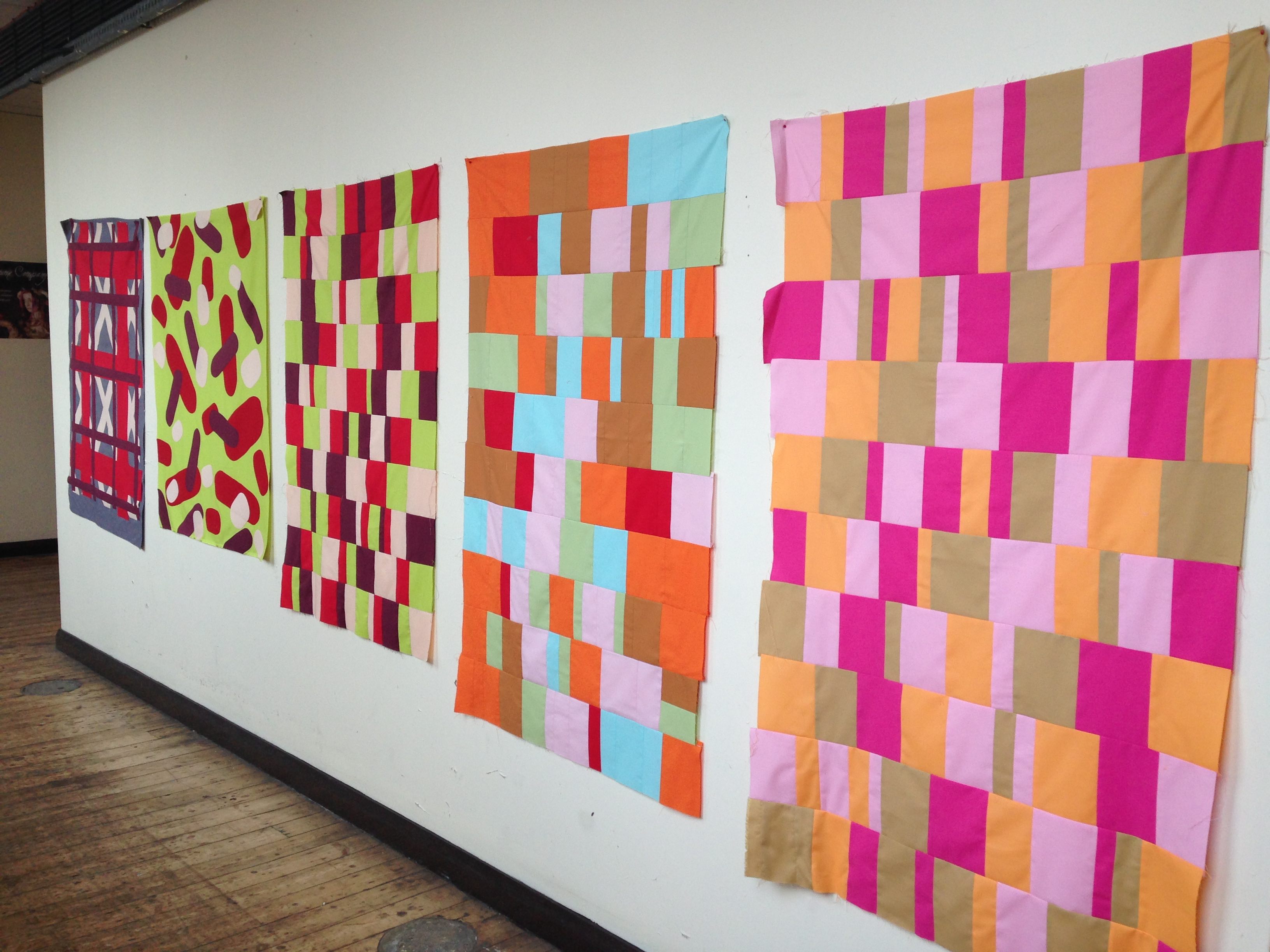
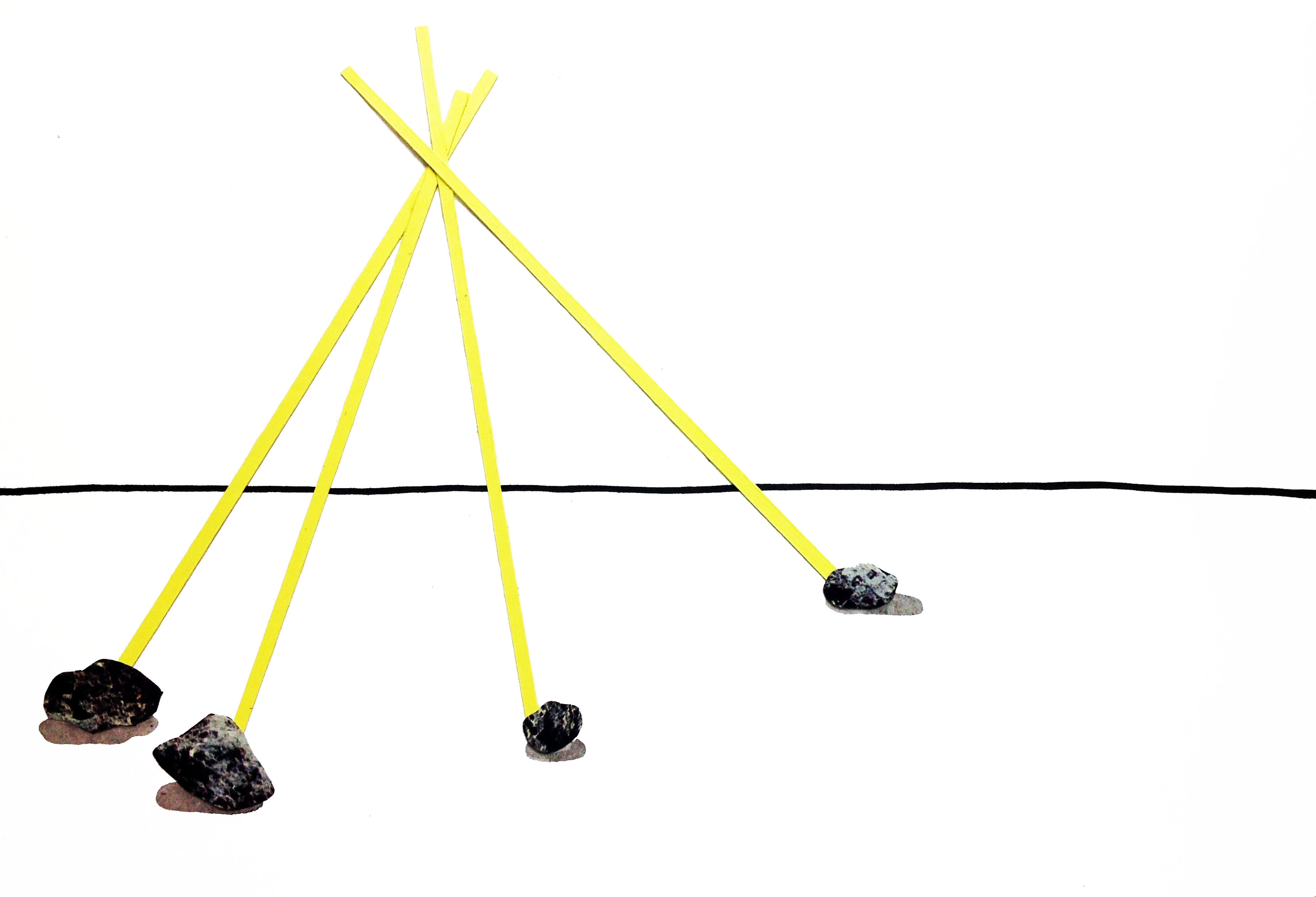
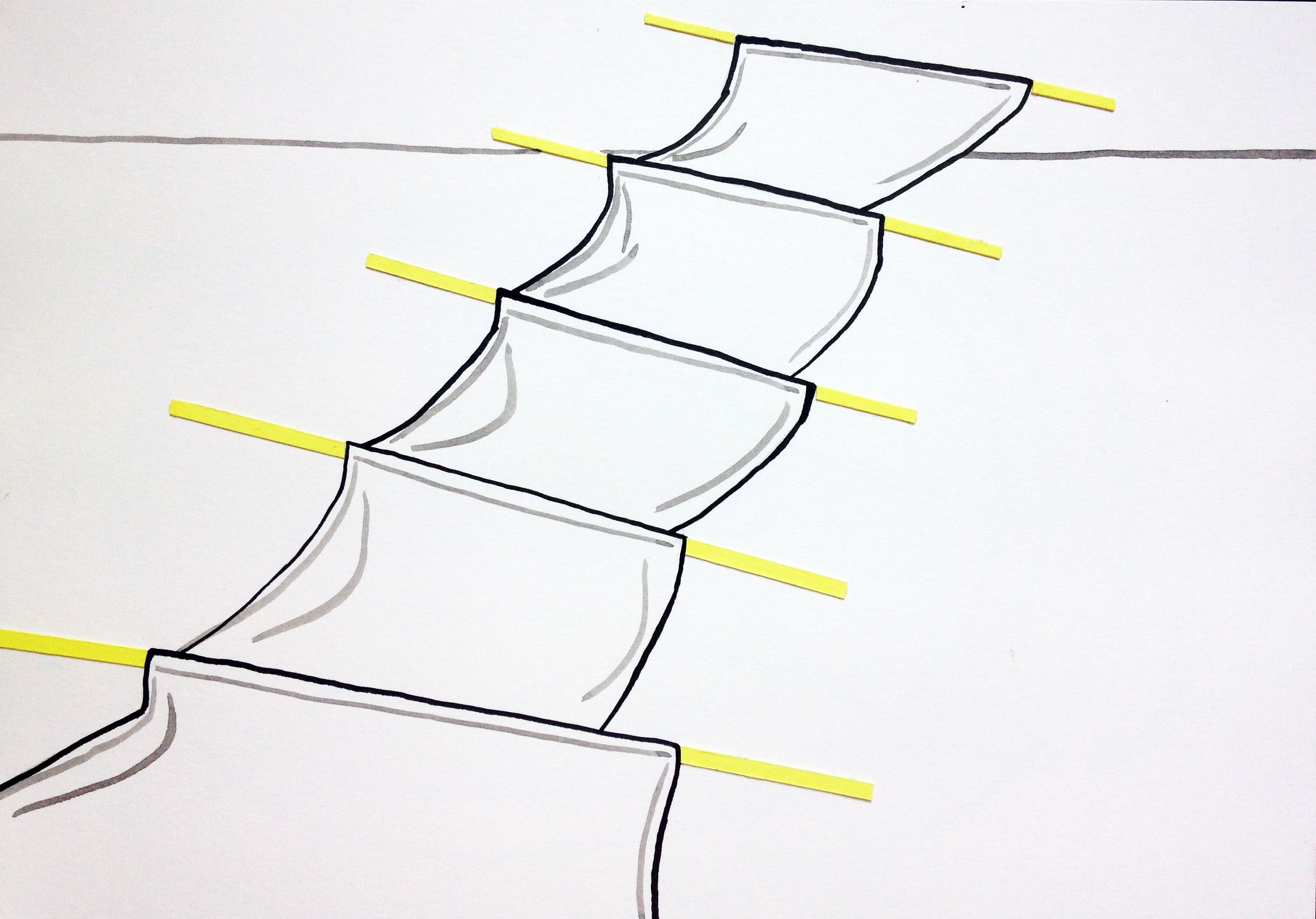
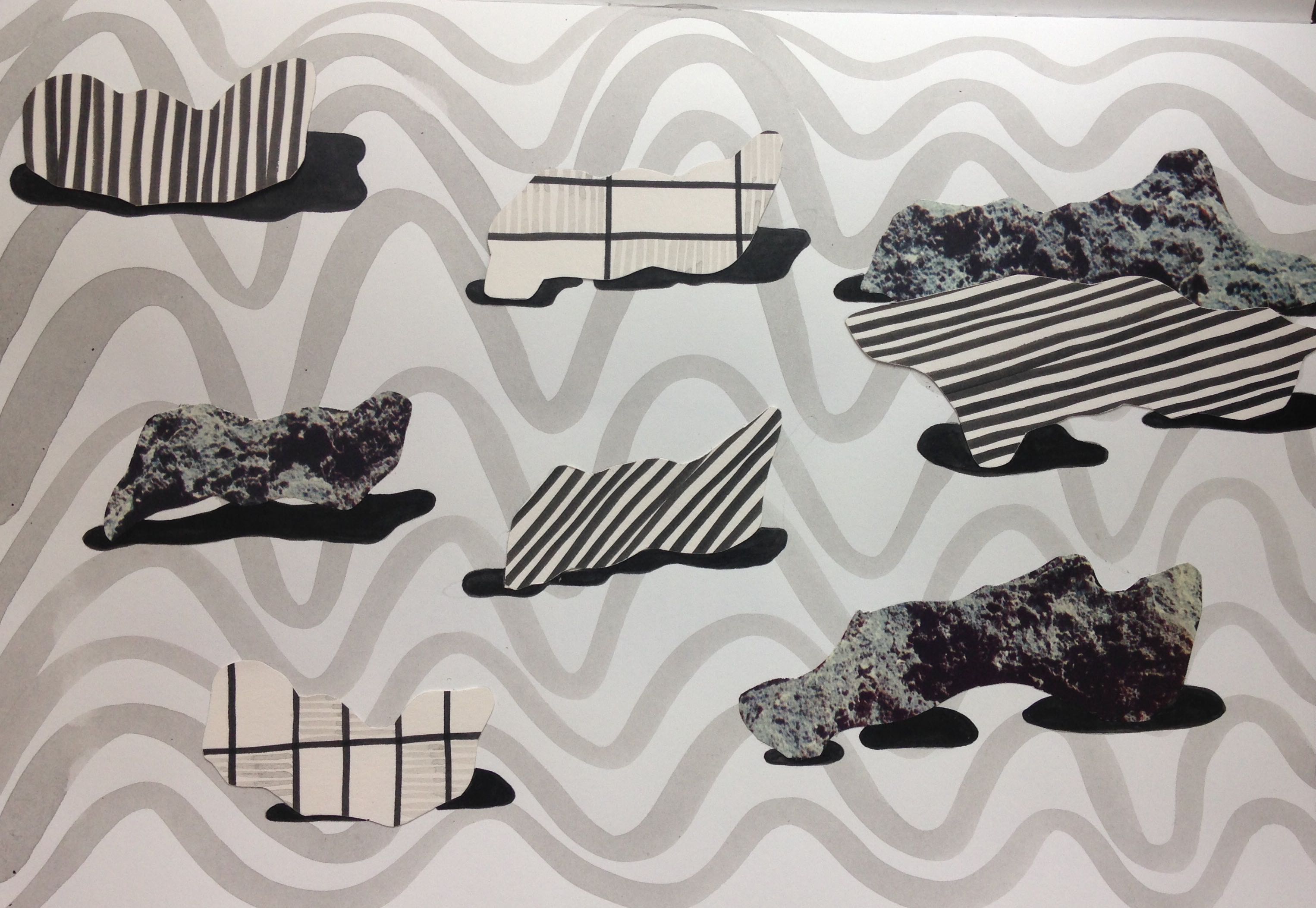
To describe this process, I can talk about my current body of work MisMash-Rehash-Megamix. In October 2016, I got a swatch book of paper. By day I took one photograph of a found pattern while out walking about or doing errands. Then by night, I re-made a version of this pattern using the collection of coloured paper.
In the past much of your work was 2D. It now has a strong sculptural dimension and involves performance. Can you tell us what has informed the trajectory of your work?
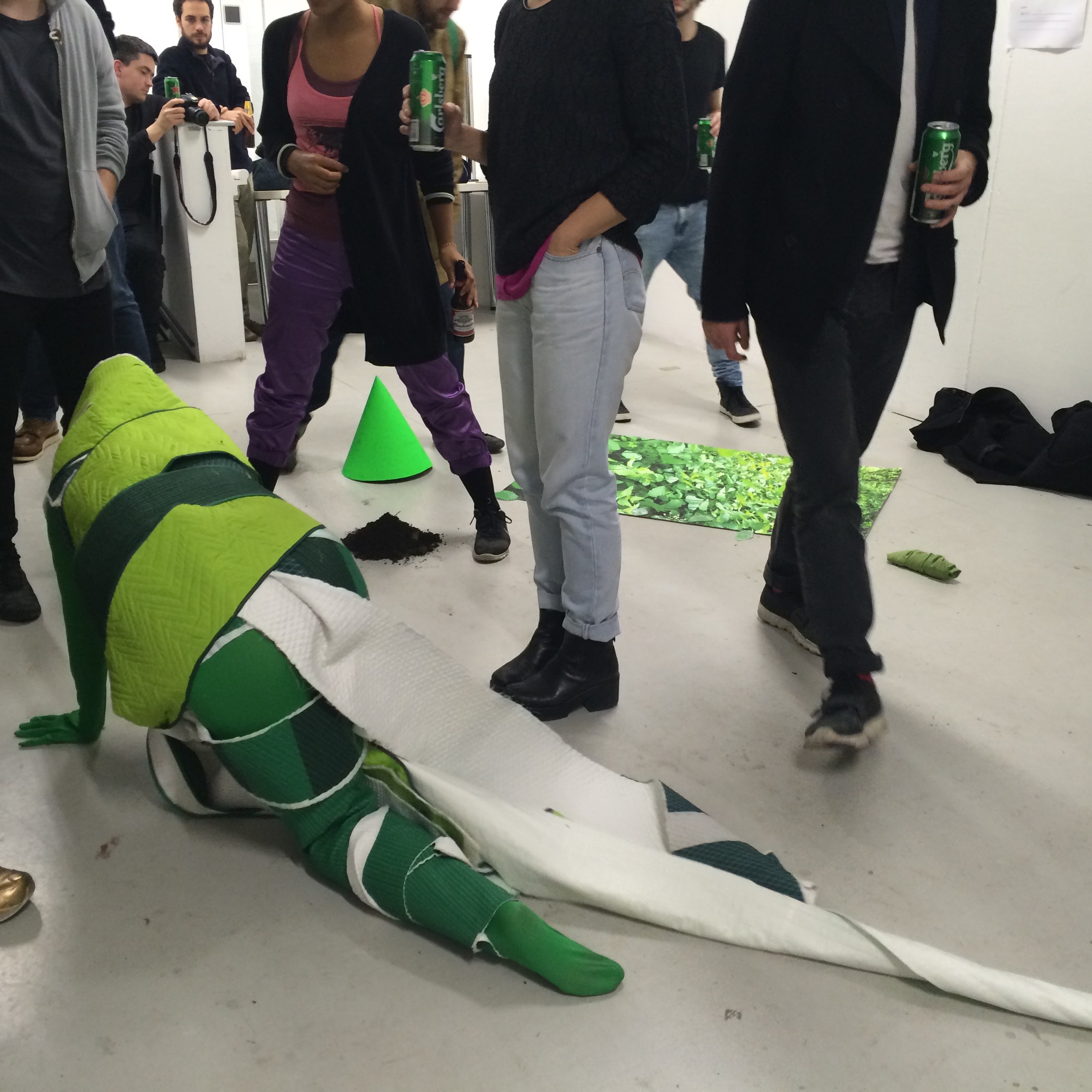
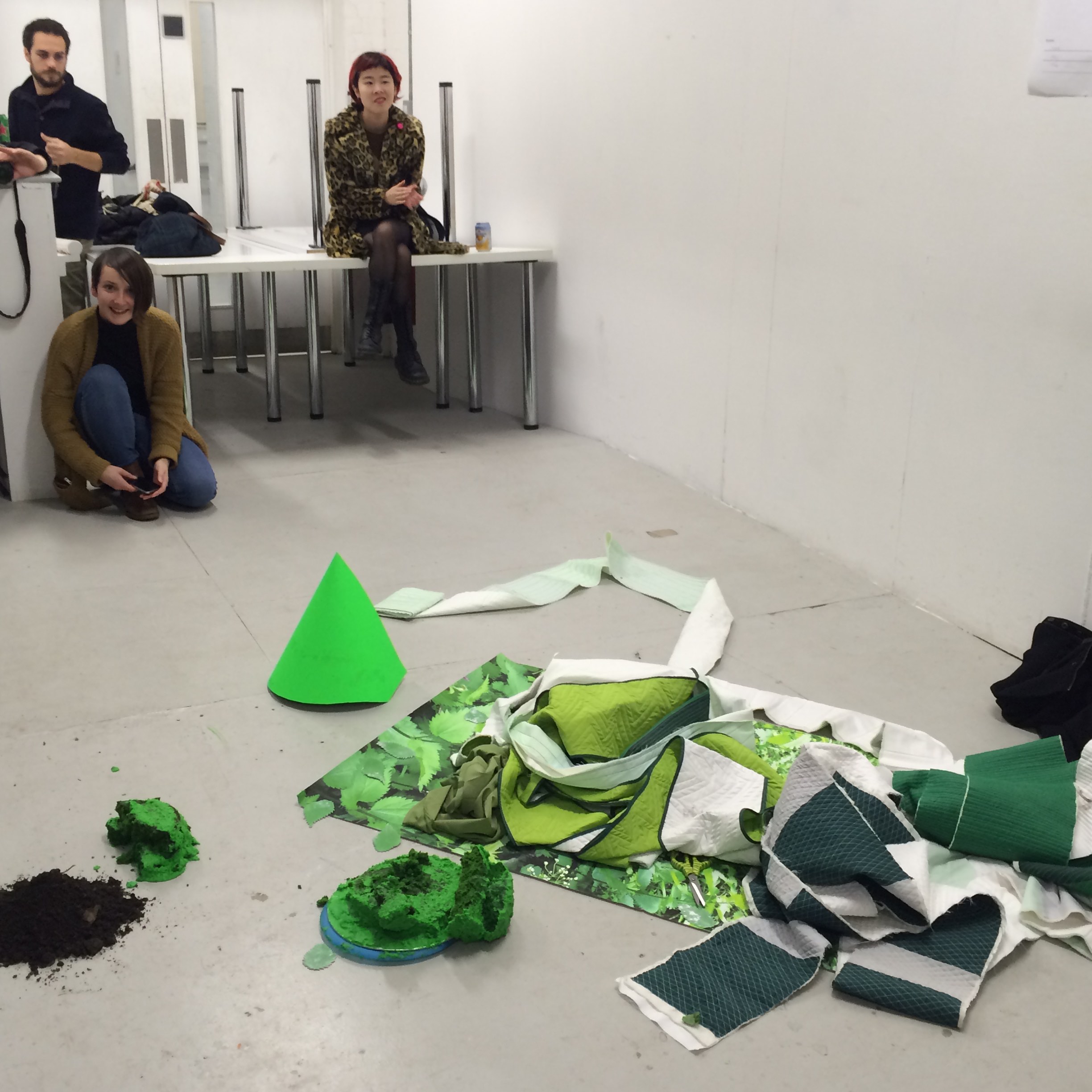
The work needed to move. The 2D work was great. It got me travelling around the world, supporting myself and connecting with people. But I was bored. I felt stifled and like a production line. I said this out loud to a friend of mine, the artist and lecturer Craig Fisher. He got what I was saying and offered his support and knowledge to mentor me to make this shift. This support led to me making an application to do a Masters in Fine Art in Goldsmiths College, London. Which I completed part-time, over four years, by commuting each week, while teaching at NTU and growing my family. I graduated in October 2016 with a Distinction.
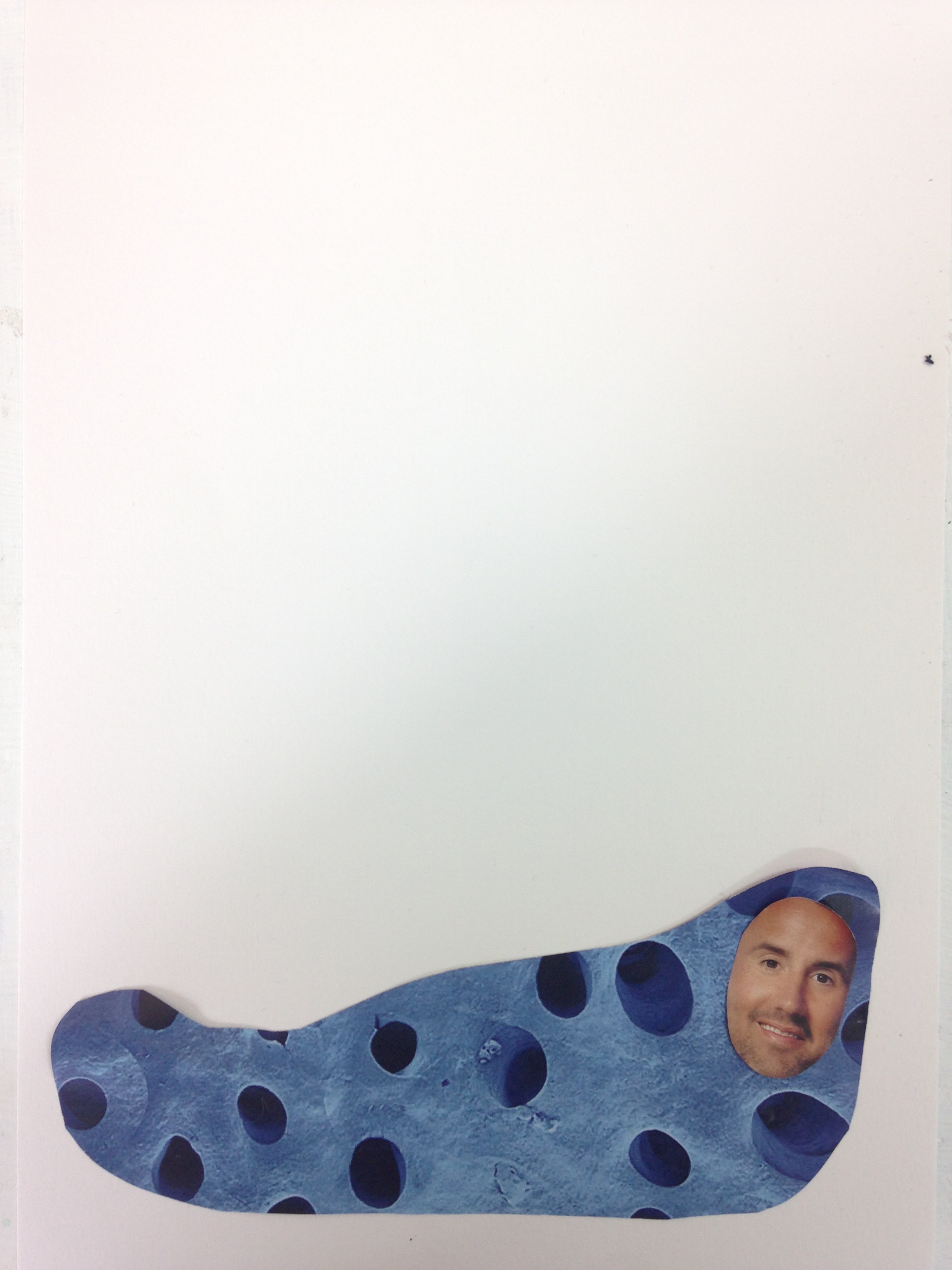
You construct realities within your work, from a variety of sources, should we try to determine or create a narrative from them?
That's a good question. As I have mentioned, a variety of sources make the characters and spaces – I construct these spaces with the viewer in mind, there are certain things that I want to happen, of course, that makes the work. But I don't want to reveal the sources and you don't need to unpack the work logically or in a straightforward manner. I aim to leave space, for you the viewer, to let something else happen, this is not mine, it can only be yours.
What is the most interesting or inspiring thing you have seen or been to recently, and why?
This happens when I least expect it... I had a job to do that required sourcing a paper supplier, so they sent me a swatch book of all their colours and papers, the little stacks of potential excited me and I was motivated me to embark on a cutting and sticking binge while listening to an old tape from 1992 of DJ Bin Man and X-Ray in Dungannon circa 1991... the body of work, Mismash-Rehash-Megamix (2017), emerged.
Which other artists' work do you admire, and why?
I am currently reading writer-artist and lecturer Emma Cocker's beautiful and intelligent book The Yes Of The No from Site Gallery. I have the privilege of being friends with artists who offer support inspiration on a day-to-day basis including Louisa Chambers, Craig Fisher, Heidi Plant, Sarah Poots and Debra Swann.
An artwork that gives me continual satisfaction is Triangle (1979) by Sanja Ivekovic. I have seen this work a few times and it does what I want to make happen, Ivekovic sets up the work so that it is loaded, direct, economical and leaves enough space for the viewer to make it move and unfold in my imagination.
Where can people see your work?
My work is on my website. Otherwise keep an eye on my Instagram or website for details of forthcoming events.
Laura was interviewed in September 2017.
Images are courtesy of and by the artist apart from where stated.