
Michael Sanders is a sculptor and photographer working from a former military airfield in Lincolnshire. His practice often subverts the everyday: as the blundering nuclear tourist he makes gentle interventions at former Cold War and nuclear sites, using tartan and textiles to challenge and re-appropriate the imagery and symbolism of military power and technology.
Where are you based?
I am based in quite an isolated place in rural Lincolnshire. I work on a trading estate near Louth. It is on the edge of an old military airfield. There are plenty of comings and goings and it can occasionally feel a little like cowboy country. My workspace is more of a metalworking workshop than a studio. I have a darkroom there; it's good to have somewhere clean to retreat to.
Describe your practice for us?
The core of my practice is sculpture and photography, although it increasingly includes an element of performance in the form of 'gentle interventions'. I see a common thread running through my work. Much of it is about people and places touched by conflict. Even in my most recent project Us, A Gunby Estate Domesday, about the tenants on a National Trust estate, little hints of past conflicts crept in.
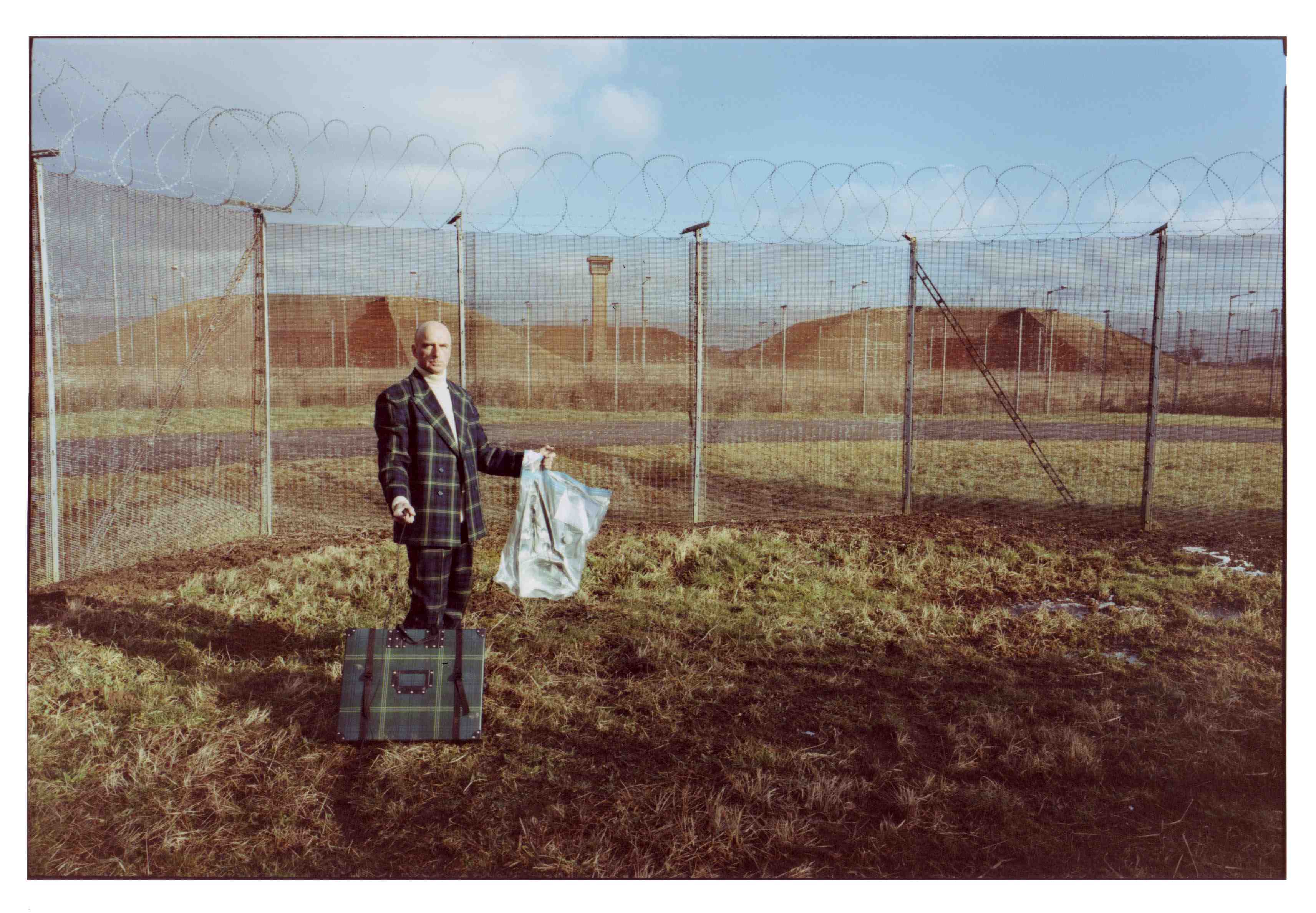
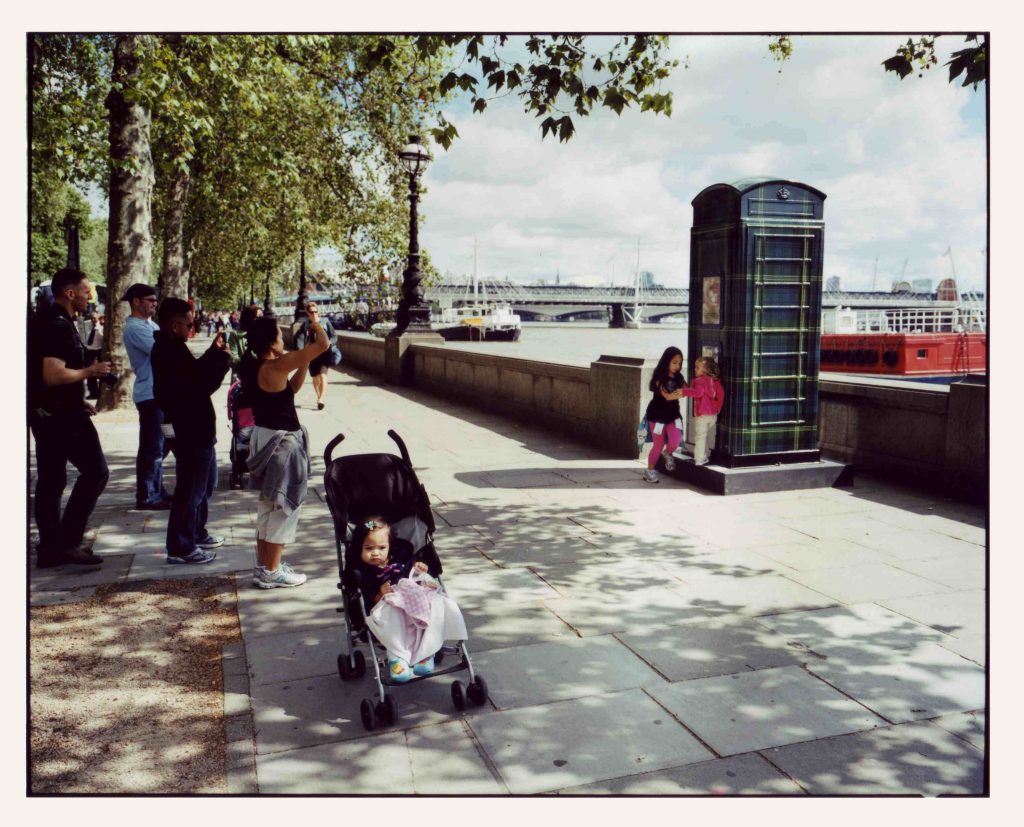
When I adopt the persona of the Blundering Nuclear Tourist, I wear a suit in a tartan called Polaris Military. Officers and men of the US Navy originally commissioned this tartan when their Polaris submarines were stationed at Holy Loch in Scotland in the early 1960s. It was the first tartan to be registered for a ship or nuclear weapons system. I wear the suit when visiting cold war and nuclear sites around the world, in part to try to reverse or return the original cultural insensitivity of the tartan.
How long have you been practising and by what route did you come to your practice?
I have been practising since the mid 1980s. I studied 3D design at Manchester Polytechnic. After this I worked for a while as a Fine Art technician at Middlesex Polytechnic. While there I attended various short courses, one a welding course at British Shipbuilder Training Yard on the Tyne. Welding became a big part of my practice and how I have made my living over the years.
Of your work you refer to 'investigations into future archaeology', can you expand on that notion?
It comes from the title of a joint show with Walter Cotten in 2008 at the Kruglak Gallery in California. Ruin – Investigations into Future Archaeology. Walter had previously photographed a high level nuclear waste dump – the Waste Isolation Pilot Plant (WIPP) in Carlsbad New Mexico and we had discovered the proposed scheme to prevent people accessing the site for the next 10,000 years.
Future archaeology is also my way of seeing and imagining how archaeologists of the future will interpret our world. What will they make of all the vast concrete structures and bunkers designed to survive nuclear war?
You've experience in the field of engineering, does that inform your work?
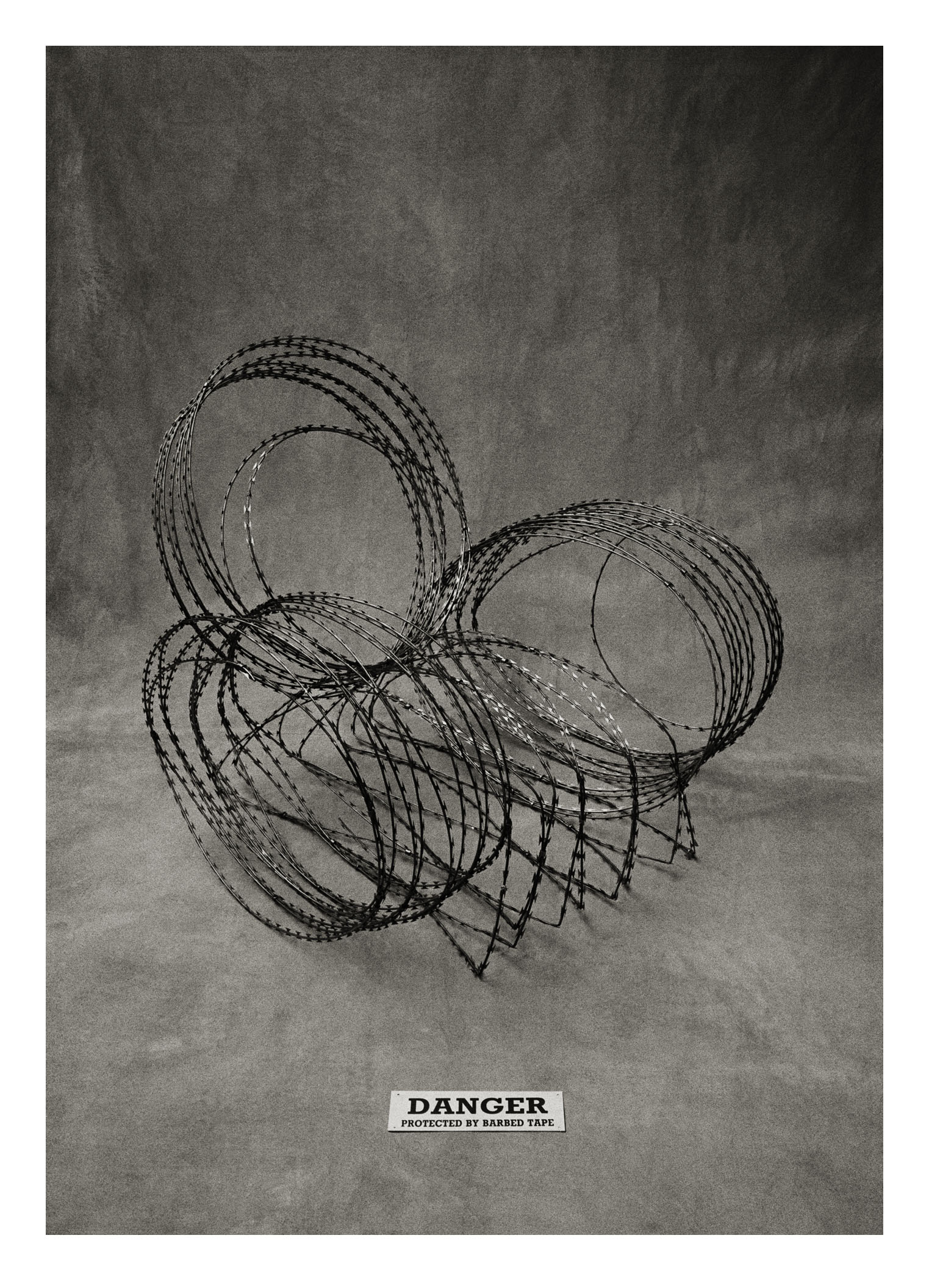
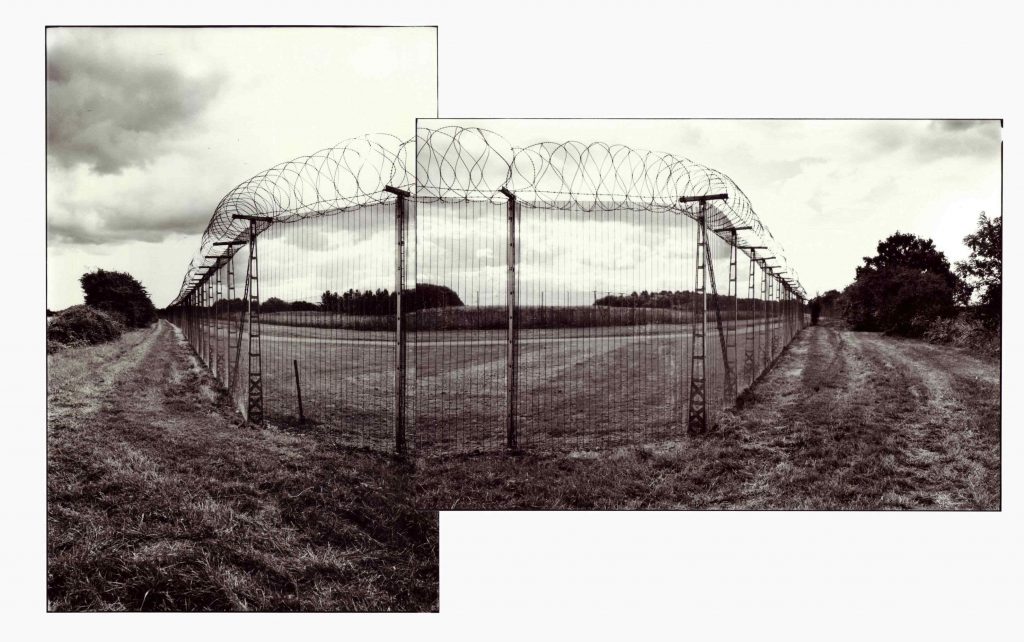
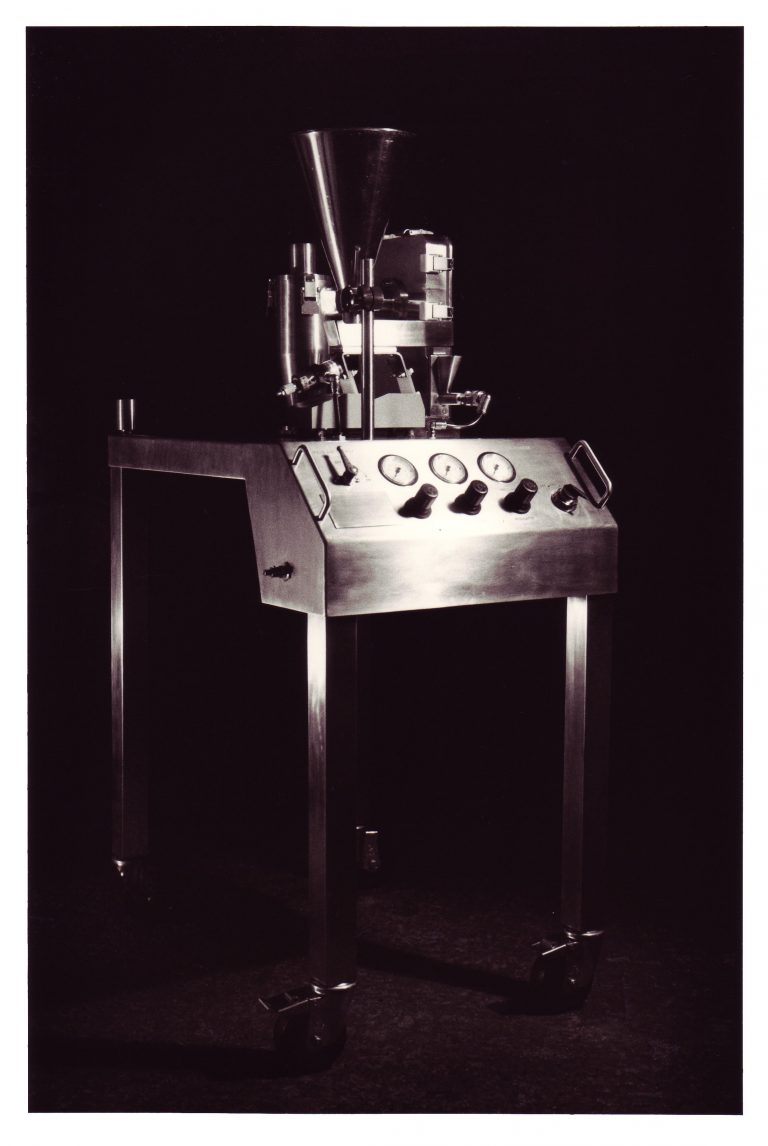
Yes, I would say it was a fundamental part of my work. I am exploring my own love-hate relationship with military technology and trying to expose what I perceive as good and bad uses of technology. When I first came across Razor wire, it was being used to encircle RAF Molesworth in 1985, I couldn't believe someone had actually sat and designed this material. This led to my making the chair 'Sitting Comfortably 1987'.
Some of your work has a connection with military practices and you sometimes put yourself in these works through performance, is this at personal risk?
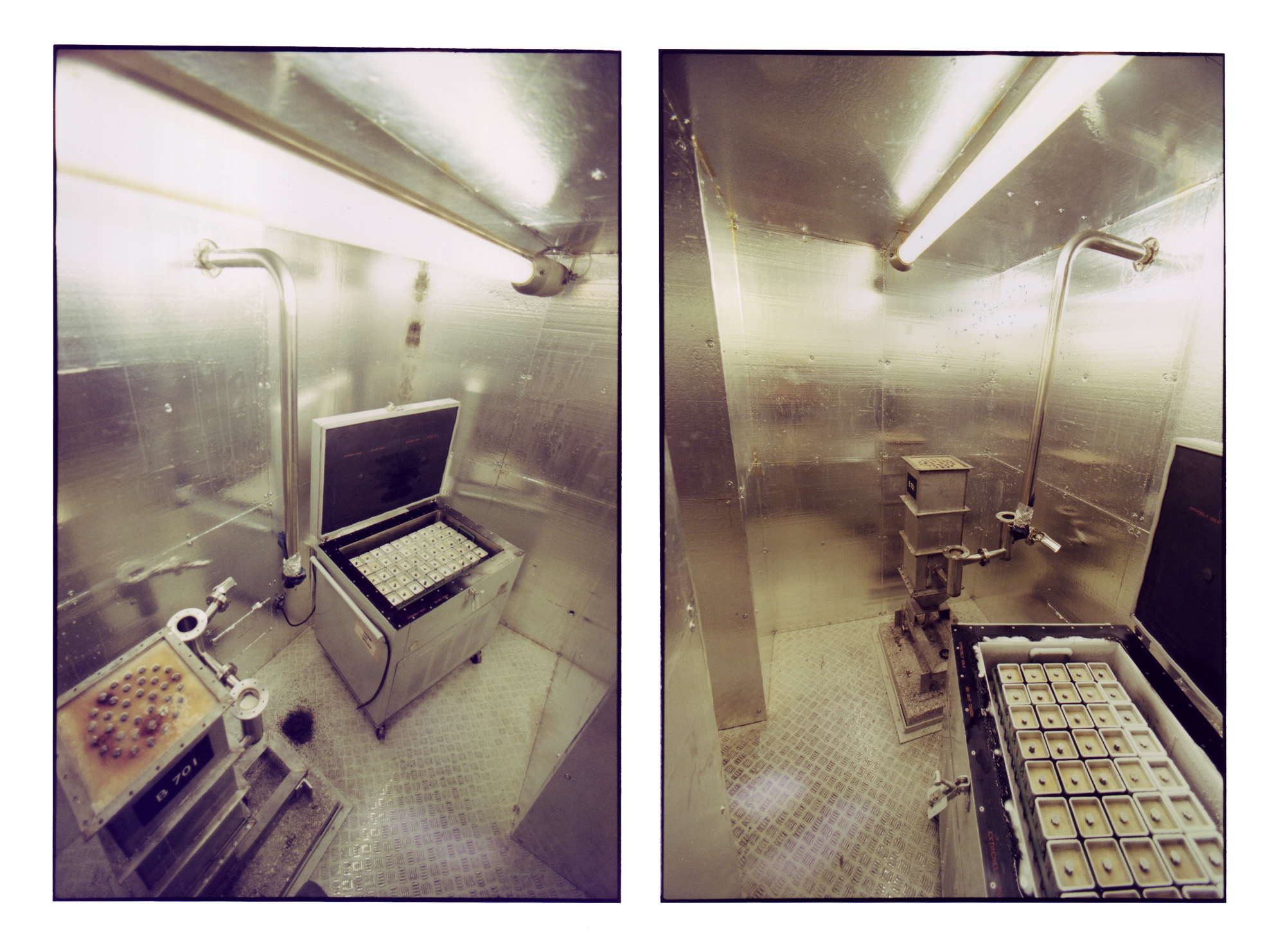
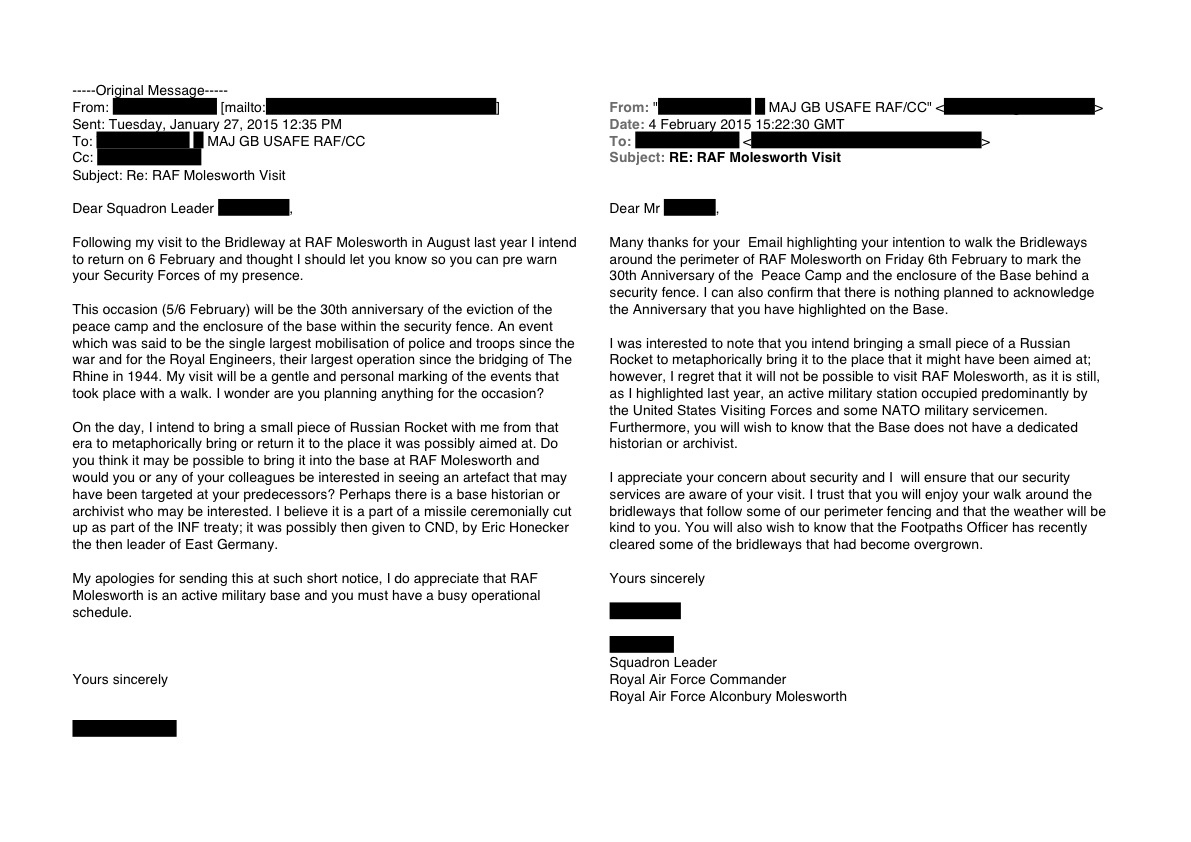
No, there is little risk and I do not want to overdramatize this. There have been times I have been worried or even fearful when taking pictures in our land. There can be tension, uncertainty and misunderstanding. Certainly in the current security climate, I try to make arrangements by prior negotiation. I see these negotiations as part of my practice.
In truth, I would prefer to work in collaboration with the military to shed light on their activities. One of my most successful works was the radio programme Target Practice for Radio 4: https://soundcloud.com/fallingtreeproductions/target-practice
What is the most interesting or inspiring thing you have seen or been to recently, and why?
Richard Mosse – Incoming at the Curve Gallery in the Barbican. Simply the best show I have seen in years. It was so powerful and engrossing. A perfect mix of visuals and sound and a work that I wish I had or could have made.
Which other artists' work do you admire, and why?
Trevor Paglen – His work Chemical and Biological Weapons Proving Ground Dugway, UT which was photographed 42 miles from the subject with a home made camera. It shows me there are always new and creative ways of approaching a subject.
Fay Godwin – Our Forbidden Land was a great influence on me.
Grayson Perry – He is such a clear and eloquent advocate for art and is such a good people person.
Where can people see your work?
On my websites: one is quite out of date and has old work on it, a new site is being developed, as well as on the Heslam Trust website.
Michael was interviewed in December 2017.
All photographs are courtesy of and taken by the artist except where stated.